Working together for a healthier continent – on its own terms
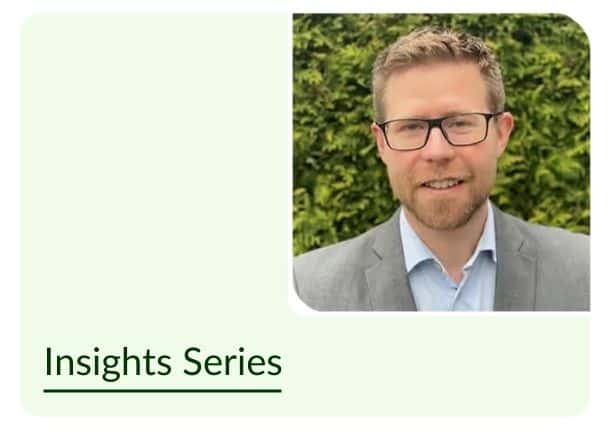
Eivind Fjeldstad
Director of Advocacy & Program Development
Every year, for five days in February, all eyes are on Addis Ababa - Africa’s diplomatic capital. Presidents, Foreign Ministers, and several Health Ministers gather for the African Union (AU) Summit.
When I attended the Summit last year, in 2025, the United States had just announced that USAID was history, including its generous support to global health efforts across the continent. It came as a shock to governments, the health community, civil society, and the patients who depended on US financed medicines. What struck me the most in conversations with government officials was the sheer number of health workers whose salaries had been paid by the US.
The contrast to this year’s AU Summit was significant. Health was still the talk of the town, but now with Africa’s health sovereignty as an overriding theme. The Africa Centre for Disease Control and Prevention (CDC) - a continental body under the AU tasked with safeguarding health on the continent - launched a financing report shortly after USAID’s exit. It highlighted that only three countries - Rwanda, Botswana, and Cabo Verde - meet the Abuja Declaration target from 2001, pledging at least 15 percent of national budgets to health. The report underscored the need for African governments to finance their own health systems.
This year in Addis Ababa, Africa CDC organized several timely side meetings, with the health workforce crisis as a central theme. The continent is projected to lack six million health workers by 2030, and countries must plan for how to address this gap. In the coming months, two high level meetings will follow: one in Nairobi on regional production of medicines, and another in Abuja before the summer focusing on the health workforce. The hope in Addis Ababa is that the many powerful resolutions being drafted will translate into strong national policies backed by adequate budget allocations.
For Laerdal Global Health, it is crucial to be part of these conversations. Together with our partners, we work with proactive governments committed to strengthening health systems in order to reduce maternal and newborn mortality and to improve emergency care. To do this, we advocate for providing regular, hands-on simulation-based training, alongside specially designed clinical and digital tools that support long-term sustainability. That is why we took the opportunity granted by the African Union, at the AU summit this year, to showcase the Safer Births Bundle of Care program: a proven intervention that we know works. During the summit we highlighted the impressive results from Tanzania, which showed a 75 percent reduction in maternal deaths and a 40 percent reduction in newborn deaths.
Unsurprisingly, this success has not gone unnoticed, with active implementations already in place in 5 states in Nigeria, with active scale continuing there, and interest from at least 9 other countries who are also tackling high maternal and newborn mortality.
One takeaway from this year’s Summit is clear: the health of African countries will increasingly be led by their own governments. There is still room for partners - but partners who align with national priorities and budgets, not those working in parallel. Health system strengthening requires making the horizontal, primary care approach work for the thousands of health workers saving lives every day. At Laerdal Global Health, we will walk alongside countries and support a healthier continent, on its own terms.