Strengthening Midwifery Education in Nigeria: Building National Simulation Faculty for Sustainable Impact

Nigeria continues to face significant maternal and newborn health challenges, driven in part by gaps in pre-service education and limited access to hands-on training for clinical skills. Nigeria has one of the highest maternal mortality rates globally, and strengthening midwifery education remains a national priority.
To respond to these challenges, Laerdal Global Health, in collaboration with the Nursing and Midwifery Council of Nigeria and with support from the Gates Foundation, is implementing the Nigerian Midwifery Training Project across 20 colleges of nursing and midwifery in 11 states.
At the core of the initiative is the integration of simulation-based education into midwifery training institutions. Many participating schools previously relied on limited or outdated teaching aids, with few opportunities for structured clinical skills practice.
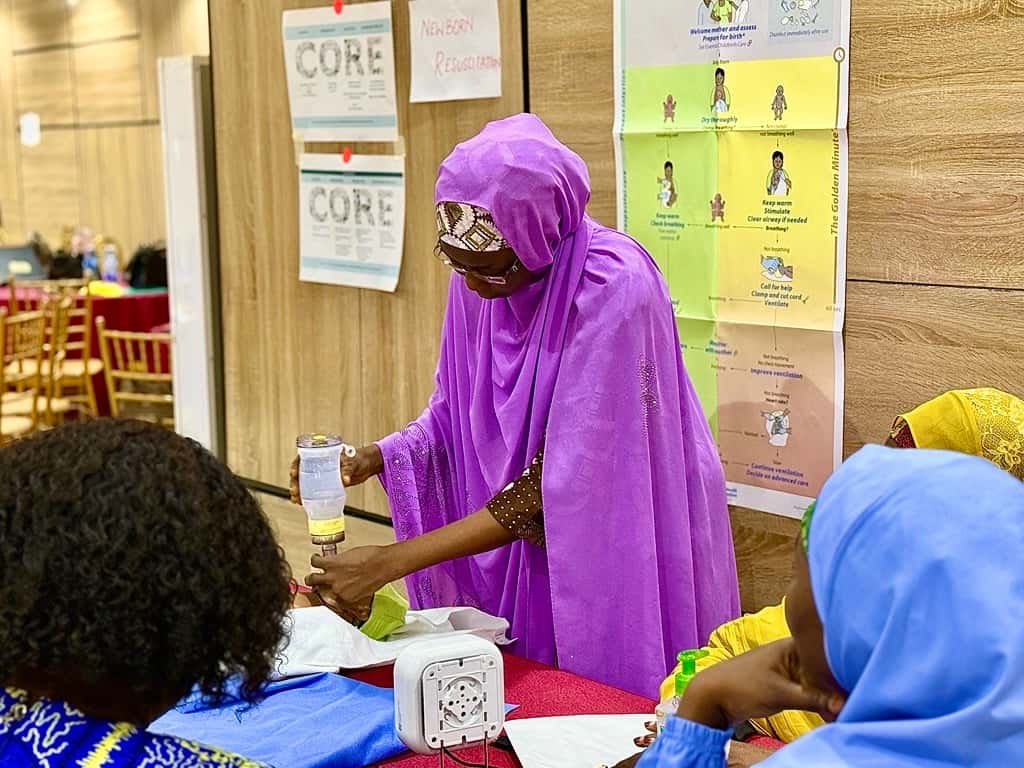
To address this, more than 120 simulation products were distributed across the 20 institutions. Equipment included maternal and newborn simulators, Emergency Care Learning Labs (ECLL), and low-cost skills trainers such as IV and episiotomy models. Simulation laboratories were designed to support training in antenatal care, normal birth, postpartum hemorrhage, newborn resuscitation, and eclampsia management.
A core focus of the project is faculty development. Educators have been trained in simulation-based education and clinical capacity building, gaining foundational skills in simulation methodology and debriefing. In addition, national champions were trained in SimBegin Level 3, strengthening advanced facilitation and mentorship capacity.
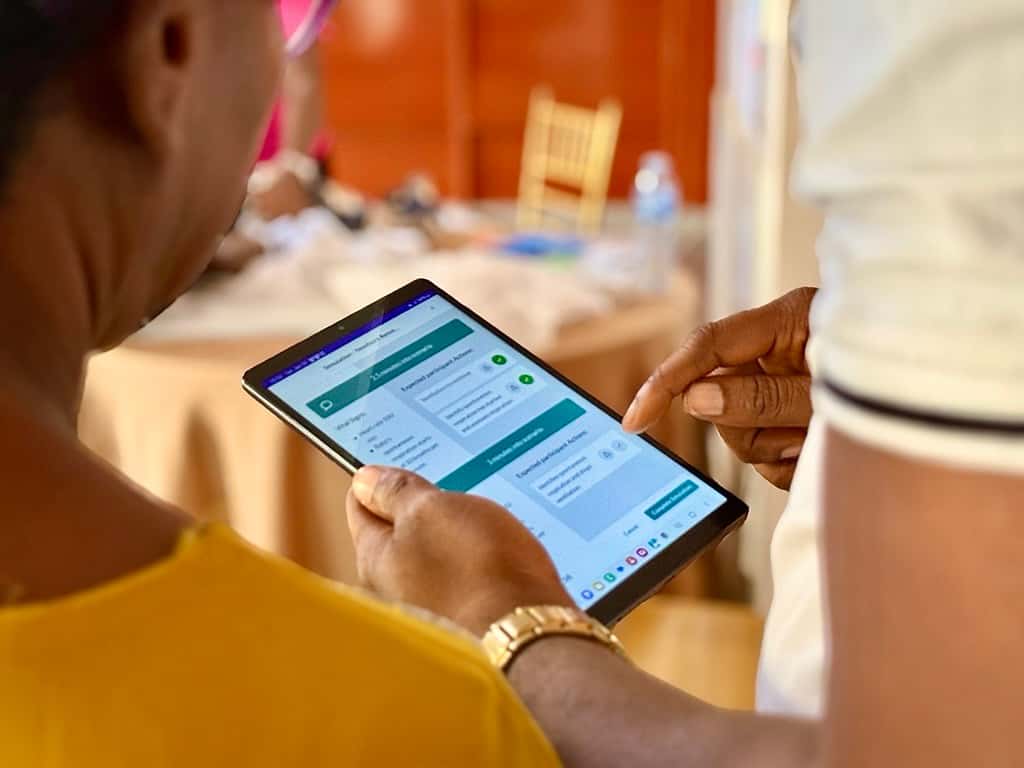
Training combined technical and non-technical skills, emphasizing hands-on practice and classroom application. Faculty were trained using simulation scenarios and digital tools such as LIFT for documentation and assessment.
This approach directly addresses findings from a baseline study conducted by the Liverpool School of Tropical Medicine, which identified significant gaps in clinical competency among educators. Midline and endline evaluations are ongoing, with final results expected by 2027.
Through the simulation training, I learned how to structure skills sessions more effectively and how to use debriefing to guide reflection and critical thinking. The SimBegin approach helped me understand that simulation is not just about practicing procedures, but about improving decision-making, teamwork, and communication. I now feel more confident facilitating sessions and supporting students to translate theory into safe clinical practice.
The initiative has demonstrated strong government engagement. At a recent event attended by representatives from the Ministry of Health, alongside partners including UNFPA and World Health Organization, LGH formally handed over simulation equipment to participating schools — signaling national ownership and commitment to sustainability. By developing national simulation faculty and strengthening institutional capacity, the project is shifting from externally driven training toward locally sustained implementation.
The project’s design allows for cascade training. Faculty from each institution are expected to introduce simulation-based learning to an additional 15–20 educators, potentially reaching approximately 400 faculty members across the 20 institutions.
Each participating school trains an estimated 400 midwifery students annually, meaning over 8,000 students could benefit in the first phase alone. Government stakeholders have expressed interest in expanding the model to additional schools nationwide, while partners such as CHAI and NACA are exploring scale-up in clinical facilities.
For scale-up and sustainability of the SimBegin program, seven selected mentors from Gombe and Borno, who have been supporting the SBBC program, were trained in SimBegin Level 3. Several of the mentors are on course to become SimBegin faculty, where they will be training other facility champions in SimBegin Level 1.
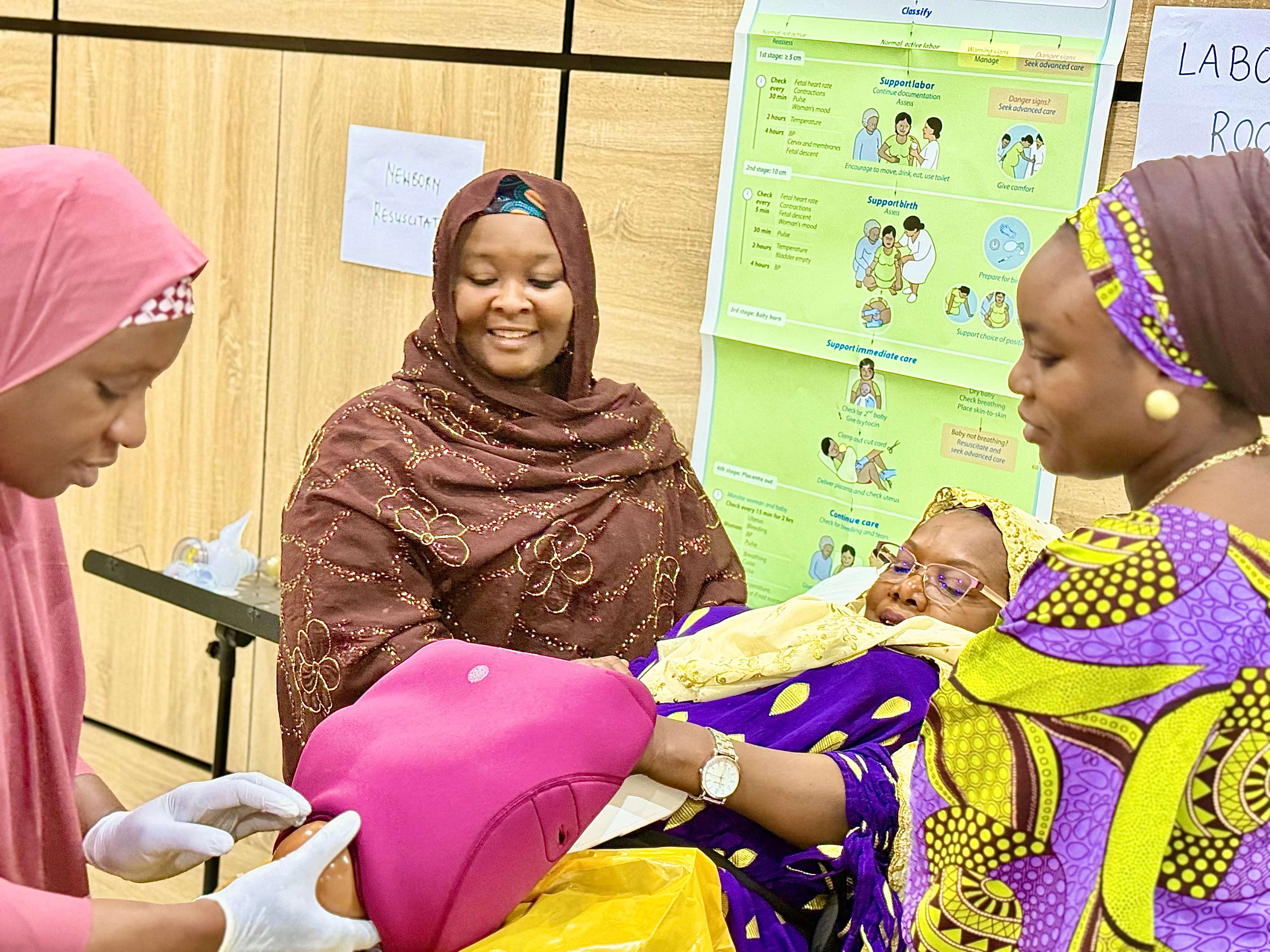
The Nigerian Midwifery Training Project represents a significant step toward strengthening pre-service education through competency-based and simulation-enhanced learning, which will lay the foundation for improved maternal and newborn care outcomes across Nigeria.