Beyond theory: Building lifesaving skills through simulation in South Sudan
When treating a severe postpartum hemorrhage (PPH), every second counts. In the South
Sudanese context, where a recent history of conflict, underfunded healthcare and capacity gaps has
contributed to the world's third highest maternal mortality rate, appropriate action can be a matter of life and death.
Traditionally, clinical training for South Sudanese healthcare workers has been mostly
theoretical, as Agnes Juan Silver from the South Sudan Nurses and Midwives Association
(SSNAMA) explains.
Without training and simulation, clinical responses to emergencies were mostly delayed or lacked the necessary coordination, directly impacting patient outcomes during critical PPH cases.
To address this critical gap, SSNAMA launched a capacity-building program funded by the United
Nations Population Fund (UNFPA), with hands-on instruction led by registered midwives Sake
Jemelia and Aber Evaline. The program targeted practicing nurses, midwives, and students
across Juba, Kajokeji, and Cueibet counties.
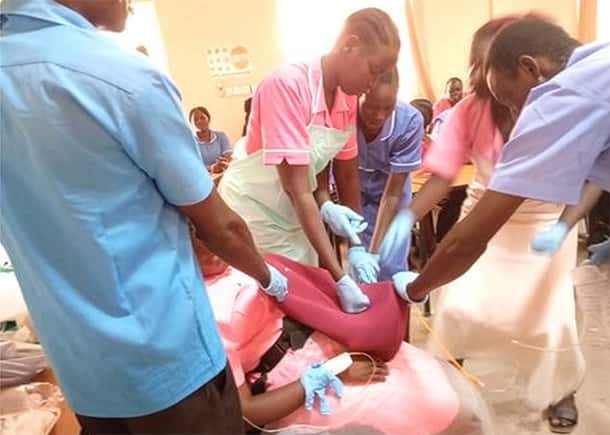
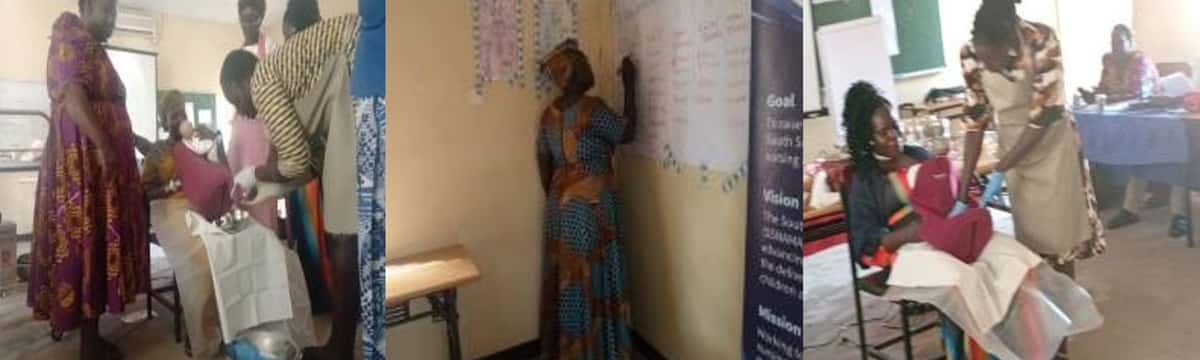
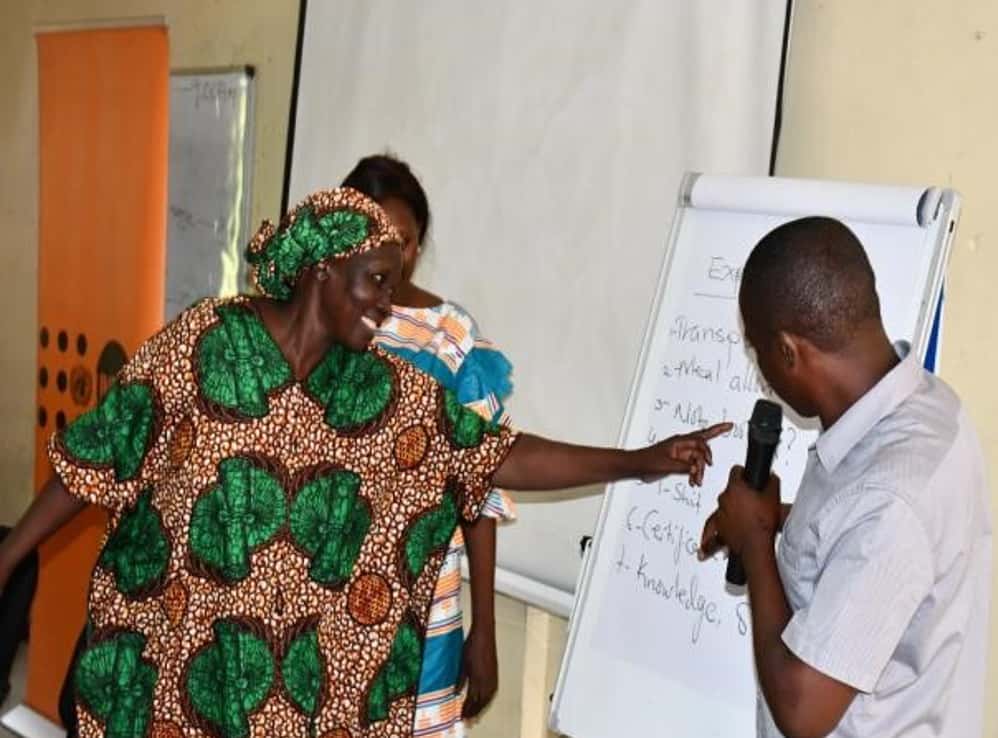 The program utilizes Laerdal Global Health’s MamaNatalie simulators, donated through the Buy
One, Gift One (BOGO) initiative. In partnership with the International Confederation of Midwives
(ICM) and the Canadian Association of Midwives. The simulators allow health workers to build
muscle memory for complex medical routines in realistic settings.
Mastering these crucial steps in a controlled setting allows teams to simulate their responses
before coming face-to-face with a patient experiencing a real hemorrhage.
The approach has delivered clear results, with all participants demonstrating improved
knowledge and skills in PPH management, including the correct use of medication.
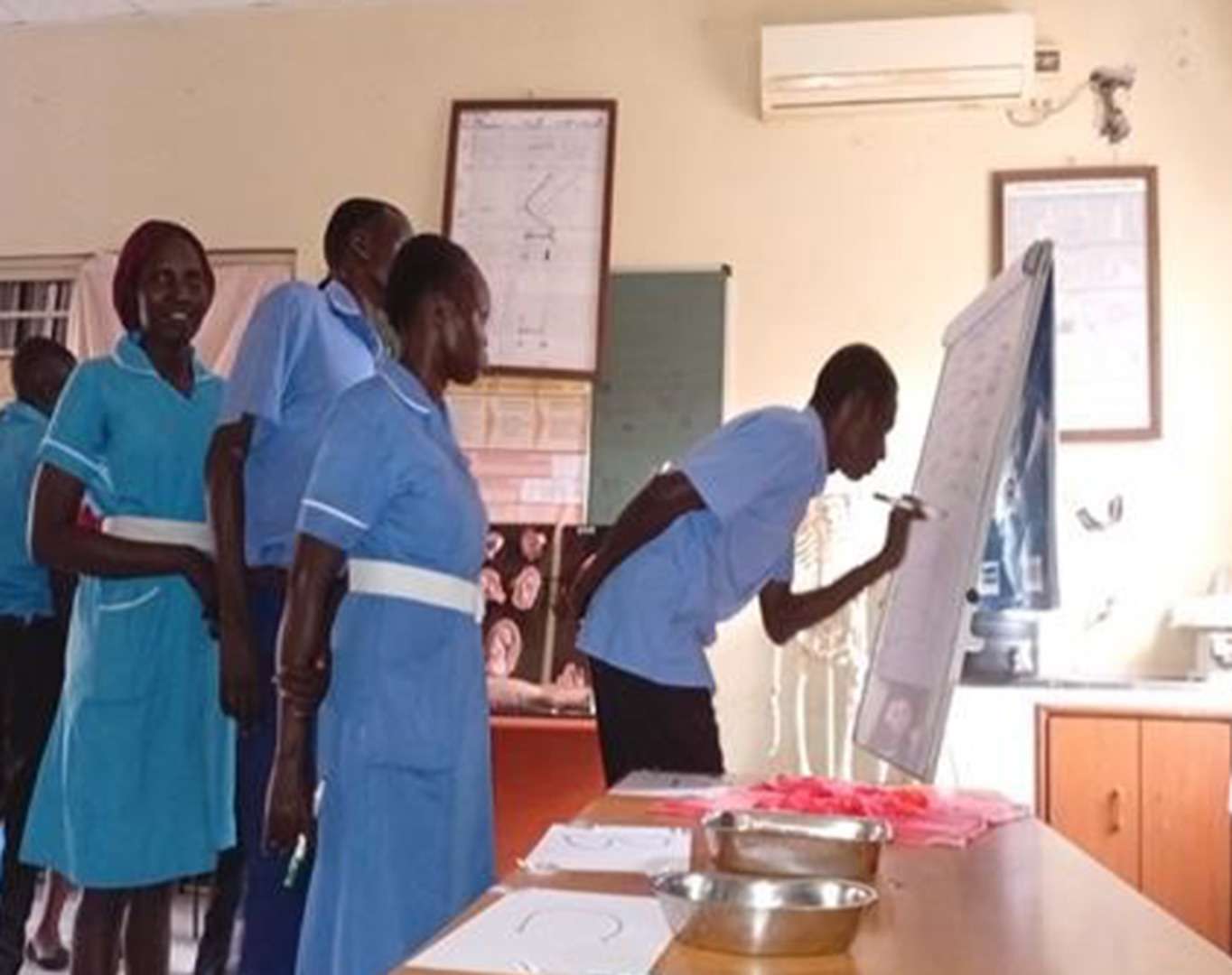
The effectiveness of the simulation-based training was clearly reflected in the participants' pre and post-program test results. Before the program, skills and knowledge scores among participants ranged from 20% to 75%. After the practical training sessions, the lowest scoring participants increased their scores to 70%, while a number of the higher scoring participants even reached a perfect 100%, demonstrating a substantial increase in overall understanding and competence.
The primary challenge resolved, was the anxiety associated with emergencies; participants now move through the protocols with calm, practiced efficiency.
The impact of this approach extends far beyond individual skills. It fundamentally alters the
dynamic in the birthing center, empowering mentors and senior staff to guide their teams with
greater trust and assurance.
Simulation creates a bridge between knowledge and practice. When a real emergency occurs, the team will no longer panic; they will perform the skills they have rehearsed repeatedly on the simulator.
The visible change in the staff's daily practices post-training was clear proof of success for Agnes.
To ensure the benefits of simulation reach as many communities as possible, SSNAMA
established a mobile distribution strategy, rather than keeping equipment locked in a single
room. With the Ministry of Health’s logistical support, the simulators are regularly rotated
between health facilities in Juba and Cueibet counties.
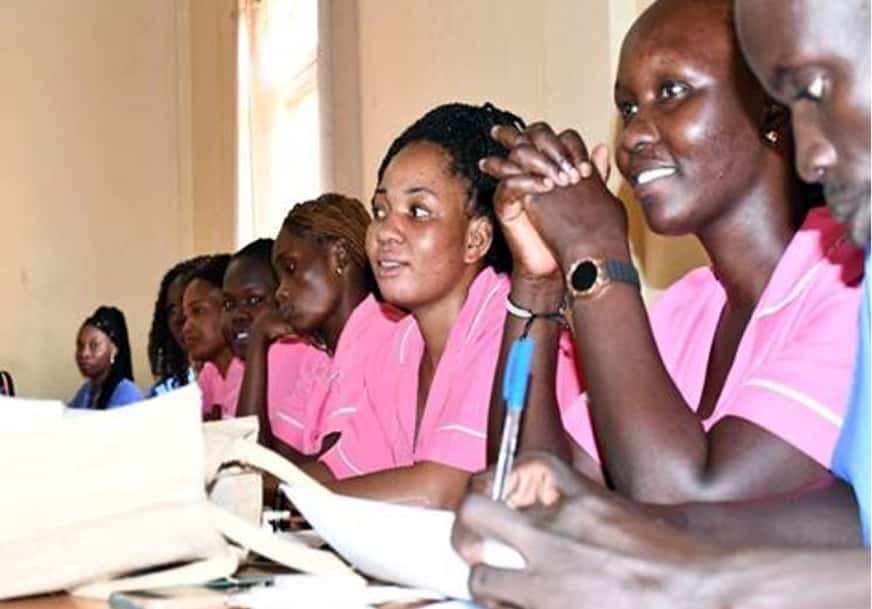
In a country where conflict and instability have placed immense pressure on both healthcare workers and the health system itself, building skills is about more than professional development. It is about ensuring that mothers and newborns receive quality care when they need it most. Through simulation, Agnes and the SSNAMA team are helping turn knowledge into action, proving that even in challenging contexts, confidence, competence, and better outcomes are within reach.