Nepal launches first-ever national framework for simulation accreditation in healthcare training
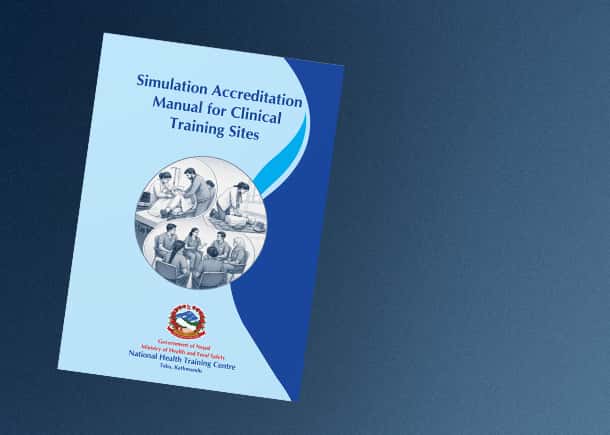
Nepal has endorsed its first national Simulation Accreditation Manual for Clinical Training Sites, marking a major step toward standardizing simulation-based methodology within the country’s healthcare training system.
Developed by the National Health Training Centre (NHTC), under the Ministry of Health and Food Safety, the manual provides a structured framework for standardizing simulation implementation in the clinical training sites. It gives training sites a framework and pathway of assessing their current capacity, identifying gaps, and progressively strengthening simulation-based methodology and utilization.
“By establishing a nationally accepted framework for simulation-based learning, this manual provides clinical training sites with a clear pathway for standardization, accreditation, and continuous improvement.”
The manual was developed under the leadership of the National Health Training Center in collaboration with government institutions, professional bodies, simulation experts, healthcare institutions, and development partners.
Laerdal Global Health and the Simulation Society of Nepal supported the initiative working alongside the Core Writing Group and stakeholders as part of Technical Working Group, convened under NHTC leadership. The process included consultations with stakeholders including the Medical Education Commission, professional councils, academic institutions, training sites and partners such as UNICEF, UNFPA, WHO, Nick Simon’s Institute, One Heart Worldwide among others. This collaborative process reflects a broader shift in Nepal from separate simulation initiatives toward a coordinated national system for simulation-based methodology and quality assurance.
By making simulation part of the national accreditation process, Nepal has created a mechanism for regular assessment, feedback, and continuous improvement. Training institutions can now use the framework to understand their current level of simulation capacity and identify the infrastructure, equipment, human resources, training systems, and governance mechanisms needed to progress.
The manual defines simulation requirements across healthcare training sites and training packages. It provides guidance for clinical training sites (public, private, academic), and non-governmental institutions and partner organization, supporting consistent standards while recognizing different levels of institutional capacity in simulation.
The manual is a testament to the understanding that effective simulation is not only about having room or equipment. It also requires trained facilitators, structured sessions, clear learning objectives, debriefing, documentation, and standardized systems for quality improvement.
The accreditation framework is structured across four tiers of simulation capacity:
Accreditation criteria assess five domains of simulation:
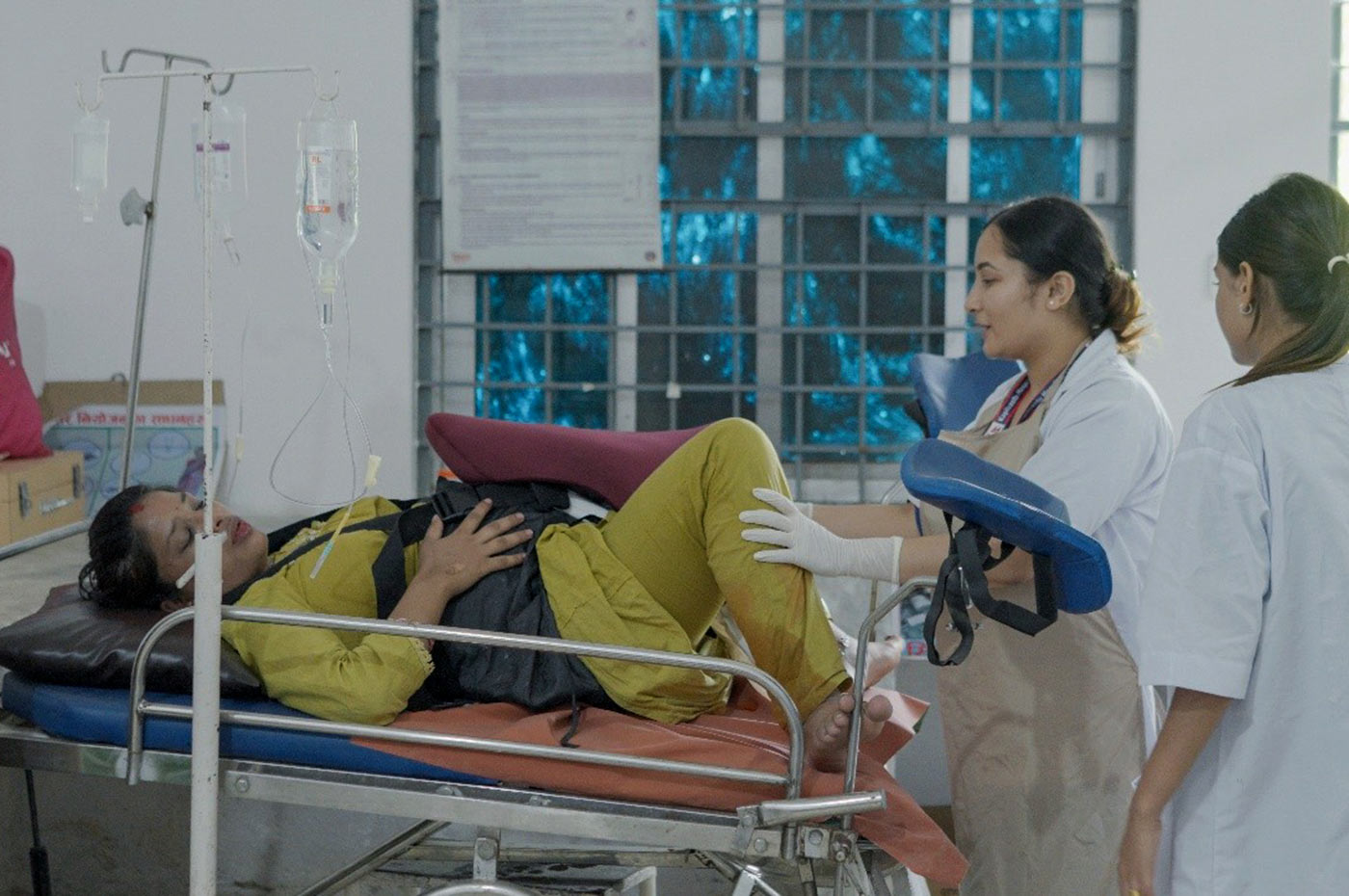
Training sites complete a self-assessment and then undergo external review against defined criteria. This process helps sites assess capacity, identify gaps, and develop action plans for continuous improvement.
Sites may be categorized as ‘Accredited’, ‘Provisionally Accredited’, or ‘Not Accredited’. All critical criteria must be met for accreditation, and sites that do not meet required standards are expected to complete corrective actions before progressing. The development of this accreditation manual marks an important milestone for simulation in Nepal and reflects a collective commitment to strengthening the quality of simulation.
“The manual is grounded in the belief that better training leads to better care and that every simulation session has the potential to improve clinical decisions, prevent errors, and save lives. Accreditation helps ensure that this potential is realized consistently through quality, accountability, and continuous improvement.
The scale of the opportunity is significant, with a national approach to simulation-based continuous learning having the potential to strengthen healthcare training sites and improve care and outcomes in the communities they serve.
Healthcare professionals trained through programs registered in the NHTC’s Training Information Management System.
Patients potentially reached by healthcare professionals trained
The significance of the manual lies not only in setting standards, but also in embedding simulation within Nepal’s existing accreditation process. Regular monitoring allows simulation capacity to be assessed and strengthened over time.
The manual is also a valuable reference for government and non-governmental organizations, academic institutions, academic, training centers, and partners working to strengthen healthcare training using simulation methodology. By creating a common framework for building, assessing, and strengthening simulation capacity, it supports a more consistent approach to preparing healthcare professionals and improving the quality and safety of care in Nepal.
“I hope this manual will help in ensuring patient safety and quality care.”
Read the Simulation Accreditation Manual for Clinical Training Sites on the National Health Training Centre website.