ICM 2026 Highlights
Investing in midwives strengthens health systems, improves maternal and newborn health outcomes, and improves quality care
Lisbon, June 2026
Investing in midwives strengthens health systems, improves maternal and newborn health outcomes, and improves quality care
Our team has just wrapped up five days of sharing insights and collaboration at the 34th International Confederation of Midwives (ICM) Triennial Congress where more than 3000 other inspired participants gathered to find solutions to challenges affecting mothers and newborns.
Attendees included midwives, ministers, policymakers, researchers, educators, donors, partners, humanitarian organizations, and more representatives from civil society.
A pre-congress tradition continued with the One Million More Midwives March, where participants delivered one message loud and clear: The world needs one million more midwives. To support that need, we must advocate for greater investment in midwifery to improve outcomes for women, newborns, and communities worldwide.
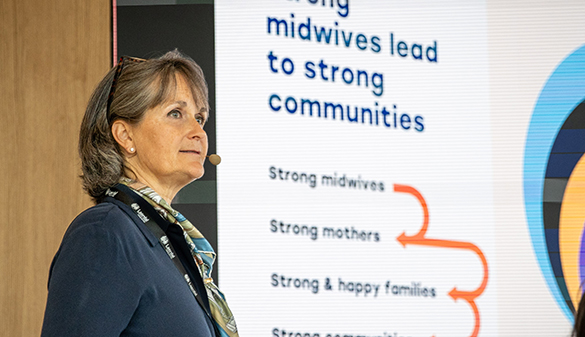
Opening the Congress, ICM Chief Executive Anna af Ugglas emphasized the critical role midwives play every day around the world.
Every minute of every day, somewhere in the world, a midwife is saving a life. This Congress is not a pause from the world around us. It is our response to it.
The ceremony concluded with an energizing performance of the Congress song, Together, by Abelone Melesse.
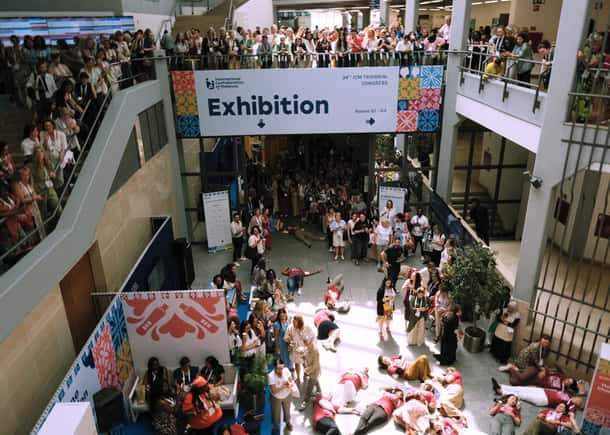
Another inspiring happening was the ‘spontaneous’ flash-mob-style PPH event co-facilitated with ICM, FIGO and Sinapi. More than one hundred congress delegates ‘collapsed’ to visualize maternal deaths due to postpartum hemorrhage (PPH), the leading cause of maternal mortality. PPH is mostly preventable when midwives and others are well trained, and work in an enabling environment.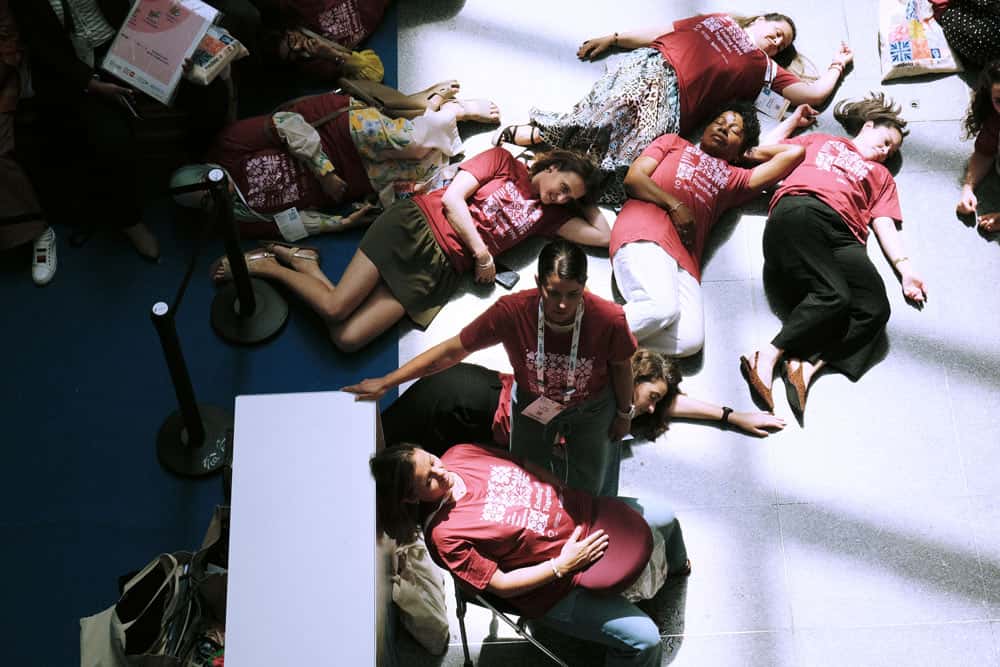
Participants simulate a postpartum hemorrhage on the floor of the ICM conference
At ICM 2026, Laerdal Global Health (LGH) contributed to several sessions, panel discussions, workshops, and presentations with partners focused on strengthening midwifery education and expanding the use of simulation-based learning to improve quality of care and save lives at birth.
Our colleagues engaged in meaningful discussions, collaboration, and decision-making that will help shape the future of midwifery worldwide.
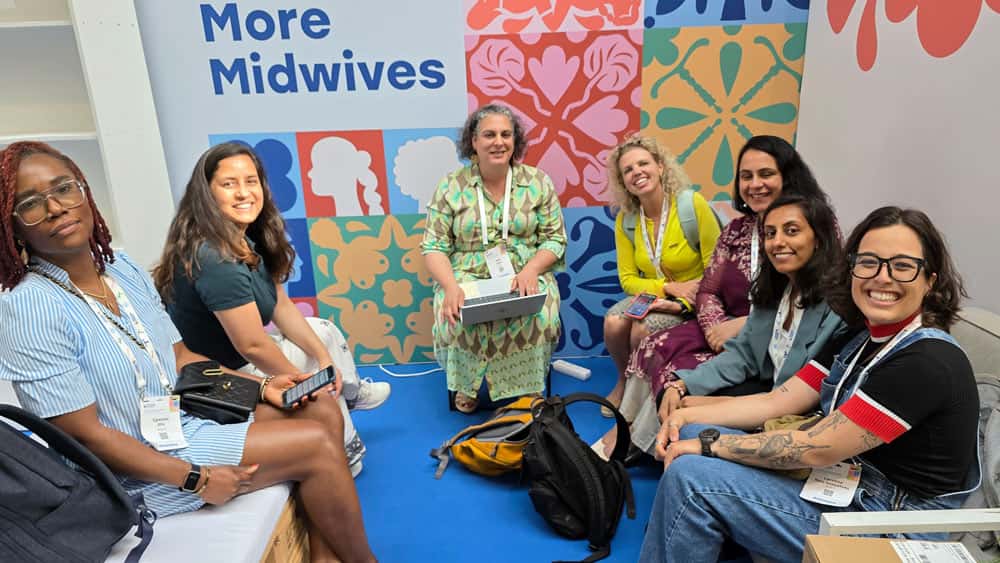
Laerdal Global Health attendees pictured at the 2026 ICM Conference
Ahead of the Congress, LGH co-facilitated a pre-congress workshop designed to strengthen simulation-based education capacity among selected midwife leaders. The SimBegin Level 1 training equips participants with practical skills in simulation facilitation, supporting the integration of simulation-based learning into midwifery education programs for continuous quality improvement. A key message was the importance of building proficient simulation facilitators to enable successful, learning-rich simulation practice.
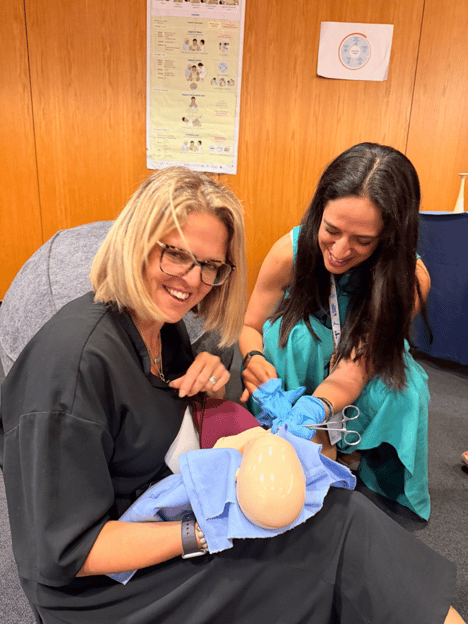
(Kate Stringer, Midwifery Advisor at ICM, and Ines Nunes, Chair of the Committee on Childbirth and PPH- FIGO)
AIME, in partnership with ICM, UNFPA, Jhpiego, Maternity Foundation, Liverpool School of Tropical Medicine (LSTM), Burnet Institute, and UNICEF, LGH participated in a full-day interactive workshop exploring the latest tools and approaches in midwifery education.
The workshop featured an exclusive showcase of the UNFPA–ICM Global Sample Curricula for Pre-Service Midwifery Education, hands-on simulation skill development, and discussions on how technology can optimize midwifery education.
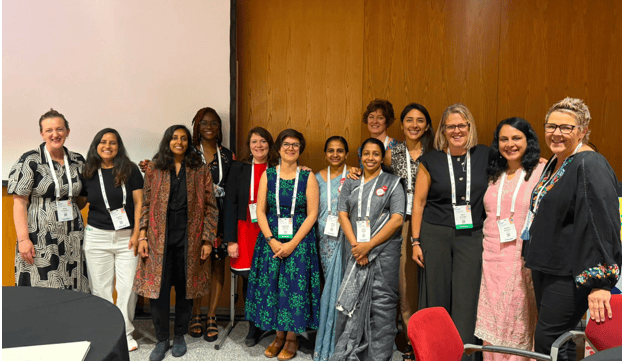
AIME partners
LGH collaborated with WHO, UNFPA, and Jhpiego to train a cohort of midwives from around the world to champion this training to bring the updated WHO-ICM-FIGO PPH guidelines to the bedside. Thirty midwives were trained using the WHO Bleeding after Birth training materials. A representative from each country that had not reached the SDG targets for maternal and newborn health received a MamaNatalie simulator and a set of the updated Bleeding after Birth educational materials to support roll-out in their country through Laerdal Global Health's Buy One Gift One program.
Laerdal hosted a lunch symposium chaired by LGH’s Asmita Acharya, bringing together global leaders in midwifery and simulation to explore how simulation-based training can strengthen midwifery education, introduce innovative training approaches, and improve patient outcomes.
LGH also contributed to a hands-on workshop focused on newborn resuscitation with an intact cord. The session provided participants with practical skills and confidence through simulation-based learning. Using a structured model aligned with ICM competencies, participants practiced rapid and effective clinical decision-making. The workshop resuscitation demonstration using NeoNatalie Live was led by LGH’s Julia Irani.
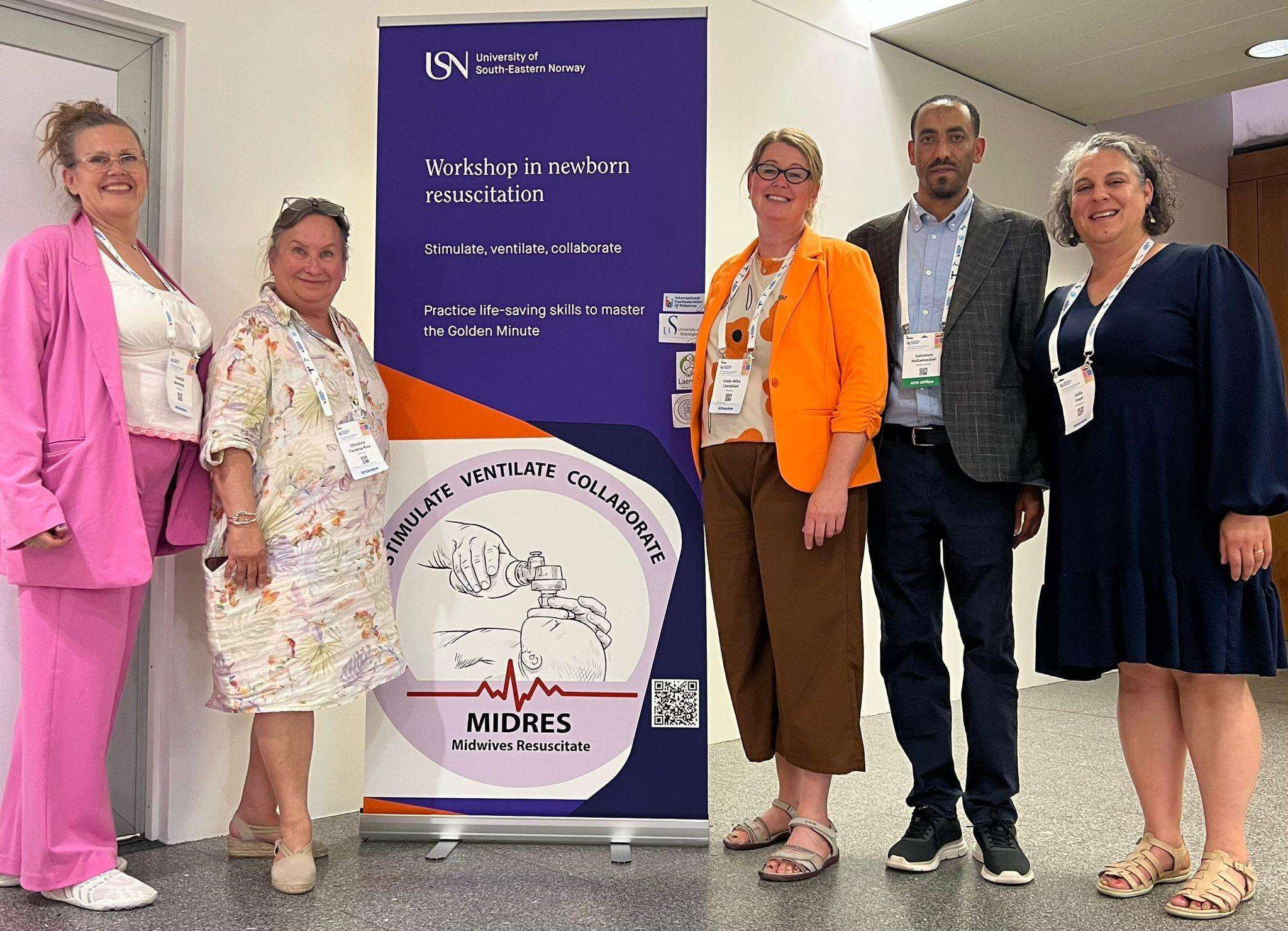
Together with ICM, WHO, UNFPA, UNICEF, Jhpiego, LSTM, and Burnet Institute, LGH helped facilitate a 90-minute practical workshop addressing a critical challenge: ensuring midwife educators have regular opportunities to update their clinical skills.
LGH's Asmita Acharya and speakers from Seed Global Health examined what evidence is needed to unlock greater investment, what evidence is underutilized, and how to make a more compelling case to governments and funders that investing in midwives is one of the highest-impact health system interventions available.
LGH’s Suchana Thapa showcased how incorporating simulation-based and data-driven continuous quality improvement has contributed to improved quality of care and health outcomes in Nepal. The session focused on the strategic approach of introducing and integrating a culture of translational simulation as a part of maternal and newborn care related to quality improvement initiatives.
Dr. Hege Erstad, a lead researcher in the Safer Births program from Tanzania, delivered a keynote plenary session that highlighted innovations developed and implemented by midwives and explored their impact on communities worldwide. The Safer Births Bundle of Care is an example of a success story of how midwives can be key contributors to lifesaving innovations. Participants were encouraged to recognize and apply innovation within their own practice. 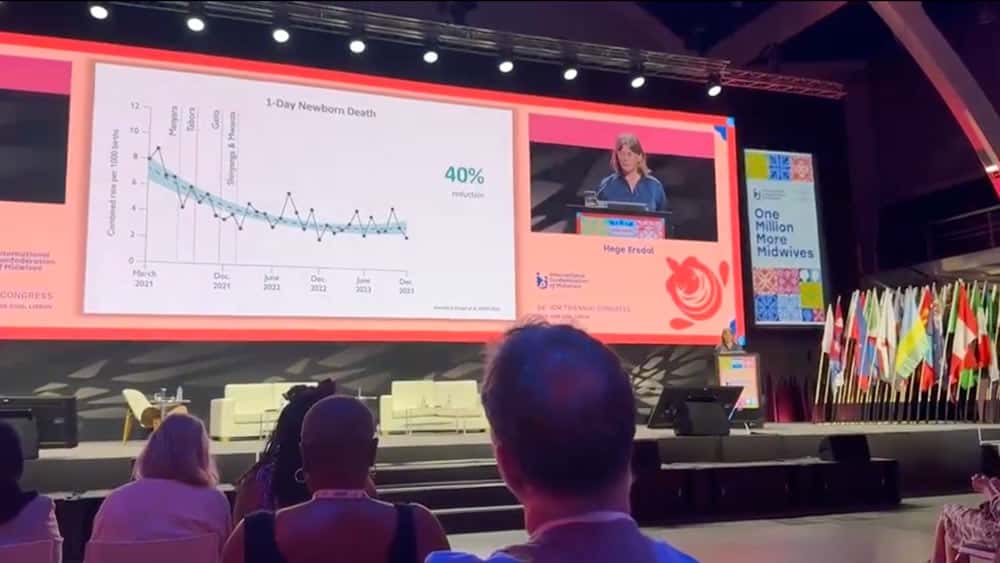
Dr. Hege Ersdal, Head of Research, Stavanger University Hospital
LGH joined Jhpiego's interactive session, facilitated by Rosemary Njogu (Kenya), showcasing how countries are strengthening midwifery training through the Helping Mothers Survive (HMS) program, which uses simulation-based modules covering postpartum hemorrhage, pre-eclampsia, and other critical maternal health topics.
A new Lancet Series on postpartum hemorrhage (PPH) was launched during the WHO/HRP session, Ending PPH Together: Implementing the New Global Guidelines.
The session brought together global experts to discuss how the latest evidence, guidelines, and implementation tools can be translated into practice, policy, and investment.
The Series emphasizes the importance of implementing the latest consolidated WHO, FIGO, and ICM guidelines for the prevention, diagnosis, and treatment of postpartum hemorrhage.
Alongside the Series, WHO and partners launched a new implementation guide and training toolkit, including checklists, algorithms, simulation scenarios, and job aids tailored to different resource settings. These resources are designed to help countries and health facilities strengthen access to lifesaving care and translate evidence into practice.
LGH’s Patricia Titulaer contributed to the discussion on implementation and scaling evidence-based approaches, and the Bleeding After Birth module was included.
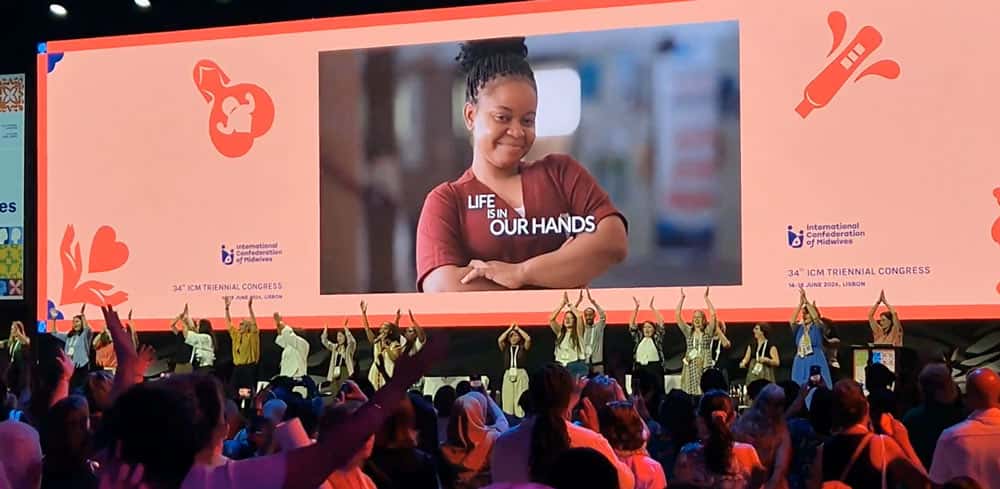 Abelone performs Together (One Million More Midwives) at the closing ceremony.
The Congress also marked the appointment of Alison Eddy as incoming President of ICM. An experienced midwife from New Zealand, Alison brings more than two decades of experience in clinical practice, leadership, education, and advocacy. As ICM President, she will lead the organization in advancing the profession, strengthening Midwives' Associations, supporting evidence-based standards, and advocating for greater investment in midwives and midwifery models of care.
The diversity of experiences and perspectives shared throughout the week at ICM 2026 has left our team inspired and ready to share that inspiration and energy with our broader LGH team. We know that works. Now is the time to scale up those solutions.