Building Skills for Safer Births: Reflections from Ethiopia
In May, a team from Laerdal Global Health traveled to Ethiopia. The trip focused on strengthening maternal and newborn health training, learning from implementation in practice, and deepening collaboration with partners. The visit offered valuable insights into how practical, hands-on approaches can support healthcare workers and contribute to safer care for mothers and babies.
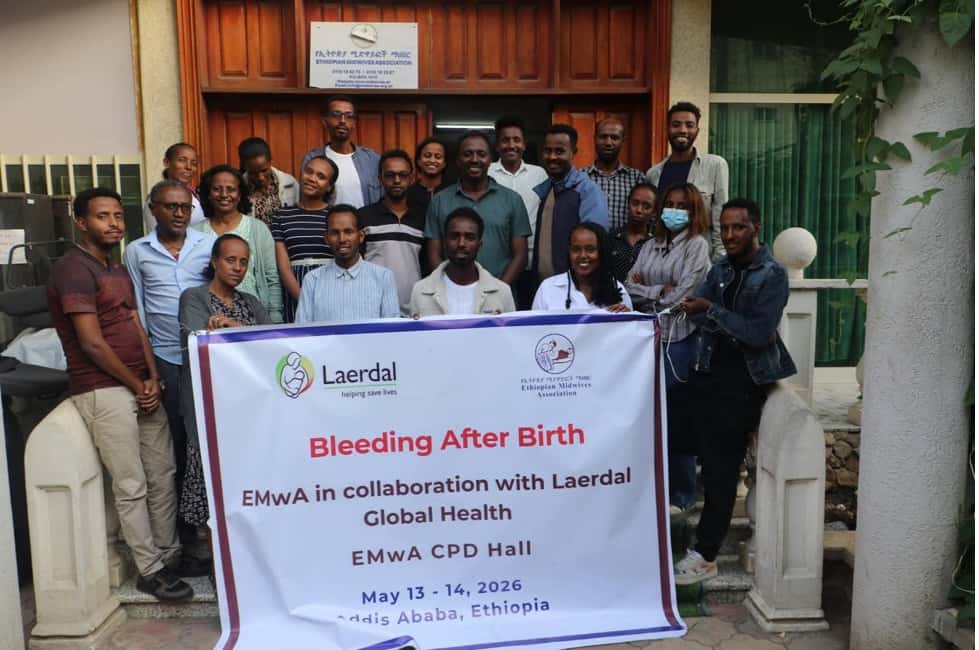
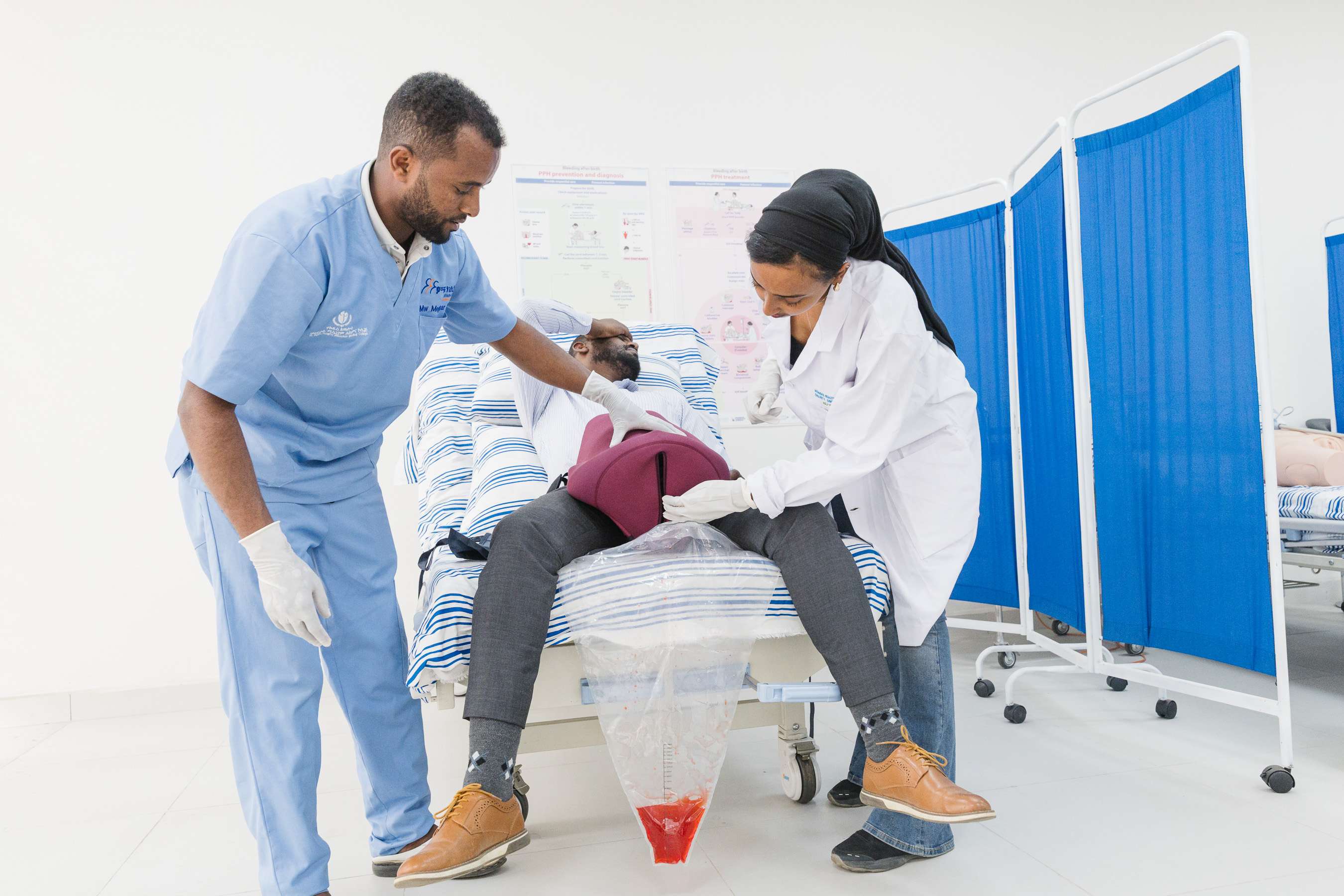
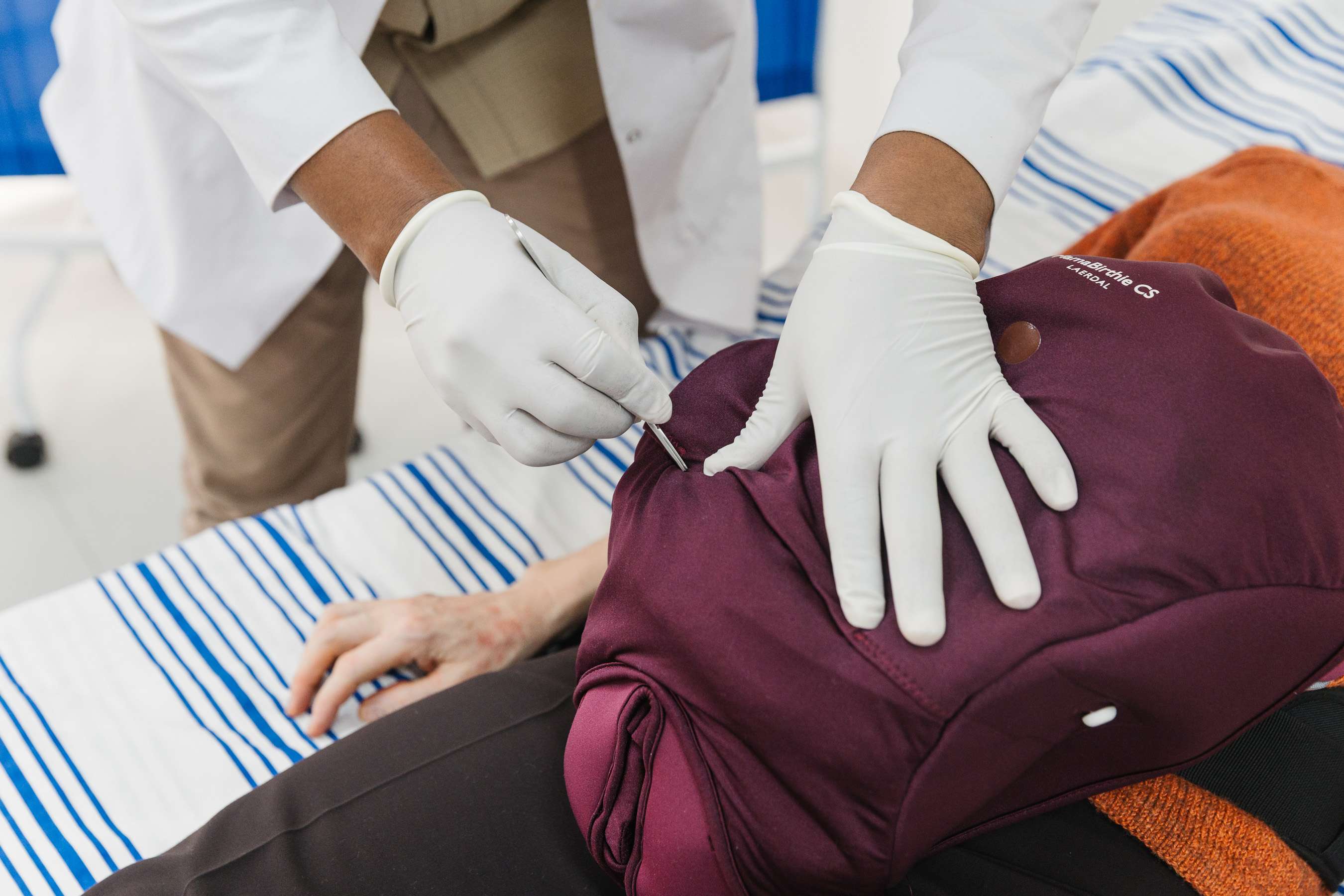
Laerdal Global Health’s team supported a Bleeding After Birth training in partnership with the Ethiopian Midwives Association (EMwA), a long-term LGH partner in Ethiopia. Held as a pre-conference activity for the International Day of Midwives and the EMwA annual conference, the course provided the 18 midwives in attendance with accredited continuing education points.
The trip provided LGH with an opportunity to see the materials for the newly developed Risk of Preterm Birth course in action. The course was developed in connection with the World Health Organization’s ACS implementation trial, being carried out in Bangladesh, Ethiopia, Nigeria, and Pakistan throughout 2026. The new course will support health workers to identify risks, confirm gestational age, and make safe decisions, including referrals when needed.
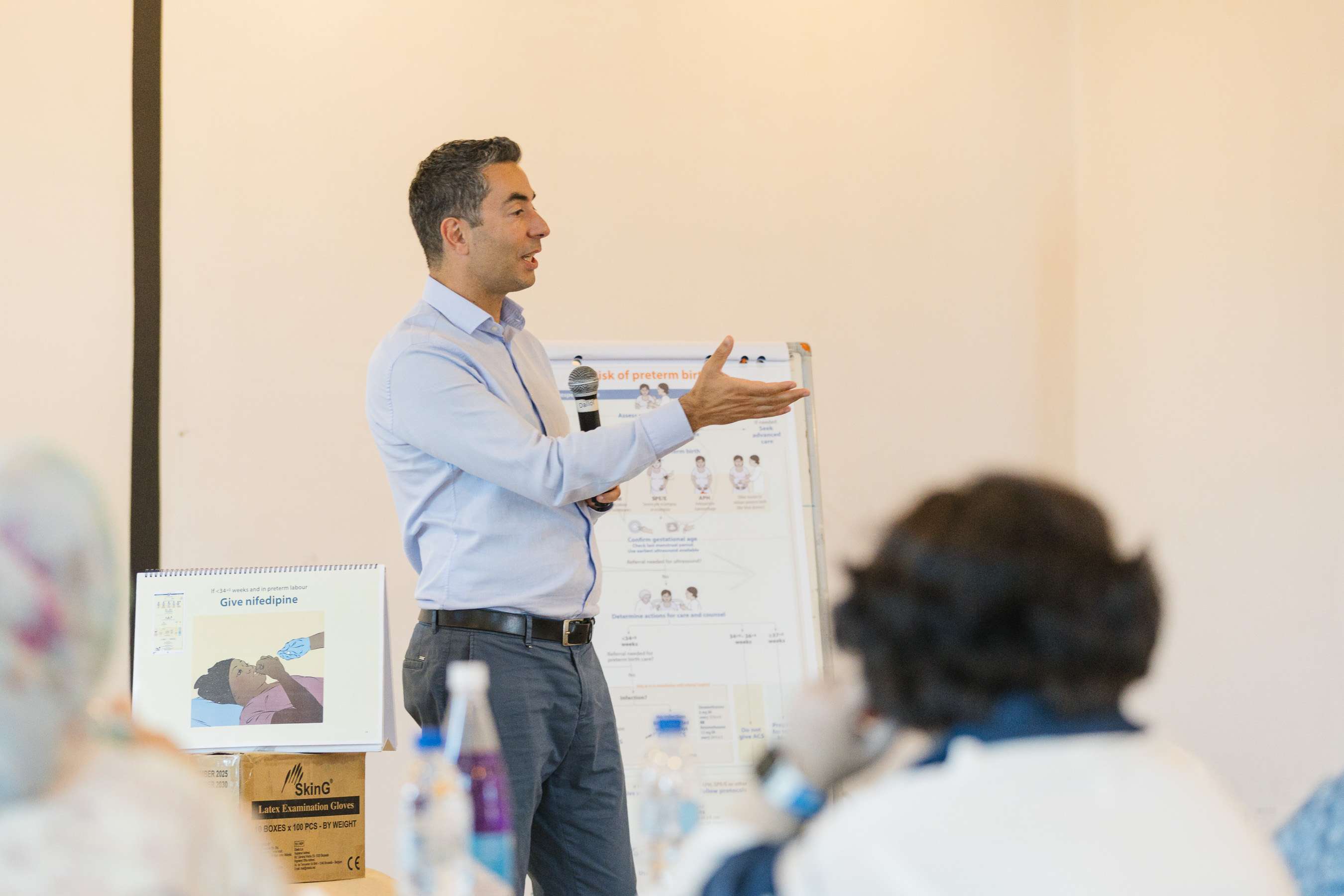 Ioannis D Gallos, from the World Health Organization delivers a section of the training in Ethiopia.
The visit reinforced the value of validating, adapting, and improving training approaches based on real-world use. Key reflections from the team included the importance of practical decision-making activities, strong collaboration between partners, and the need to support not only learning materials, but also the planning and preparation required for effective implementation.
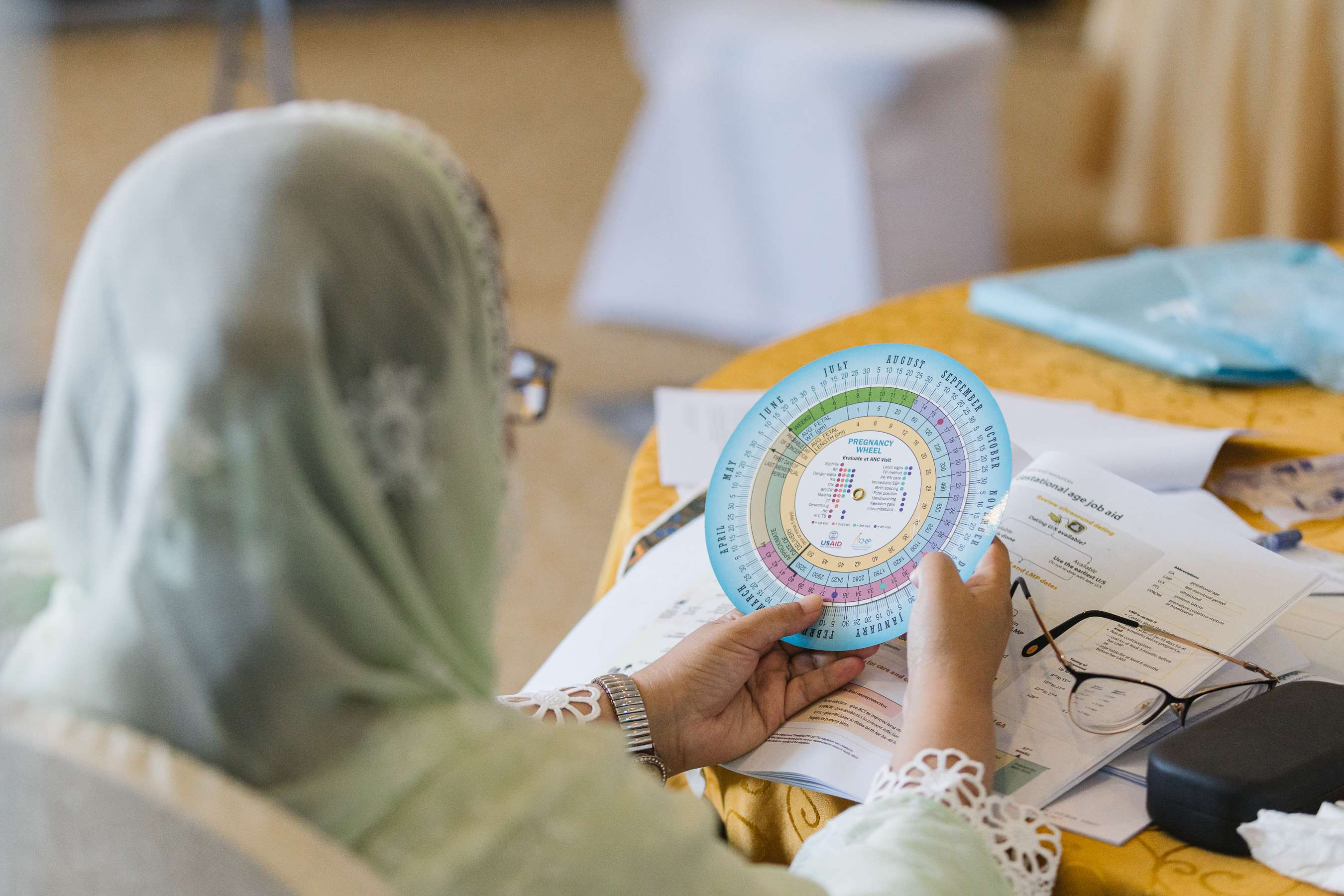
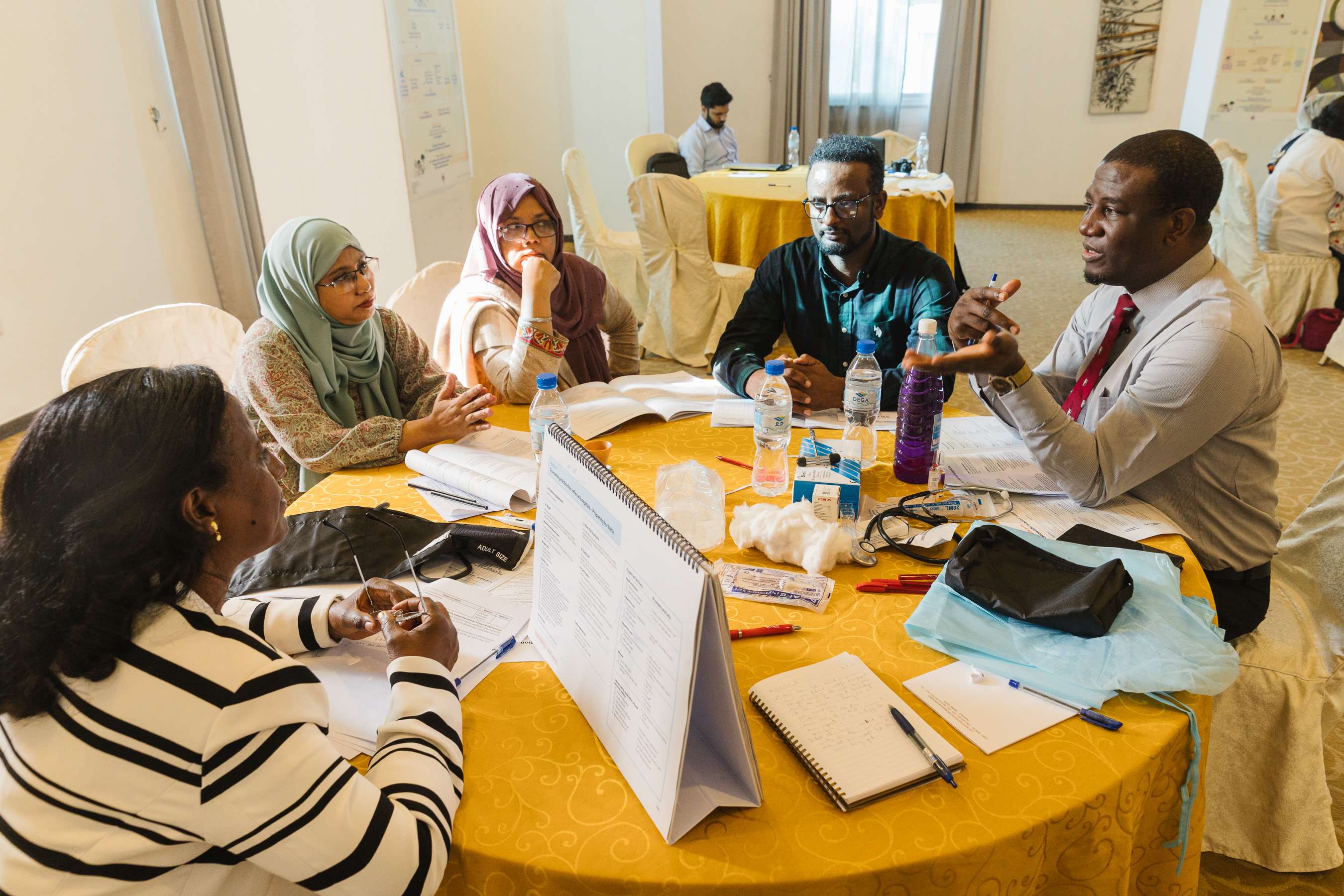
The team also used the opportunity to introduce Laerdal Global Health’s LIFT Scenarios, which support high-quality simulation-based training by helping facilitators guide participants through briefing, simulation, and debriefing. The approach aims to strengthen facilitator consistency, improve training quality, and support better care.
The team also visited Saint Paul’s Institute for Reproductive Health and Rights (SPIRHR), where Laerdal Global Health supported the establishment of a simulation lab center of excellence.
The visit also provided an opportunity to see the recently established RMNH center of excellence, discuss faculty development through SimBegin training, and explore how high-quality simulation-based education can strengthen hands-on learning for students and healthcare providers.
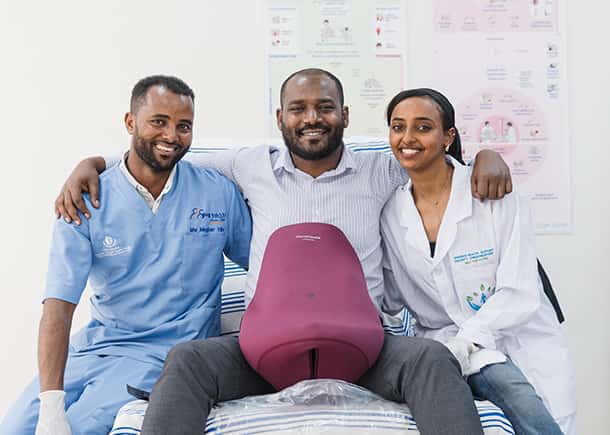
From left: Megbar, Midwife; the Simulation Center Coordinator; Dr. Mitiku, Continuing Professional Development (CPD) Director; and Dr. Amani.
Our experiences in Ethiopia have left the team with valuable time with local partners and helped us better understand the needs, opportunities, and practical considerations involved in building sustainable simulation capacity in Ethiopia.