Gå til indhold

India

India in focus

Addressing critical healthcare challenges by strengthening health education and systems

The challenge 

India has made significant progress over past couple of decades in reducing maternal mortality from over 400 deaths per 100,000 live births to just 88. Similarly, newborn mortality has reduced from 51 deaths per 1000 live births to 19, outpacing the global average reductions. These reductions, however, are unevenly distributed and disparities between states and districts remain. The common causes of maternal deaths are hypertensive disorders, hemorrhage and infections. For neonatal deaths, causes include pre-term related complications, low birth weight, neonatal infections, birth asphyxia and trauma.  Gaps persist due to issues like inadequate infrastructure equipment and consumables, lack of trained healthcare personnel, and lack of adherence to clinical guidelines.  

In addition to maternal and newborn deaths, there are close to 200,000 deaths annually in India due other time-critical emergencies like cardiac arrest, stroke, sepsis, drowning, road traffic accidents and snake bites. A large proportion of these deaths, or subsequent disabilities, are preventable but continue to occur due to fragmented and fragile healthcare systems spanning community, pre-hospital, facility-based, and rehabilitation care. These kinds of emergencies represent a major and growing burden, underscoring the urgent need for system-wide strengthening of emergency and trauma care.

How we help

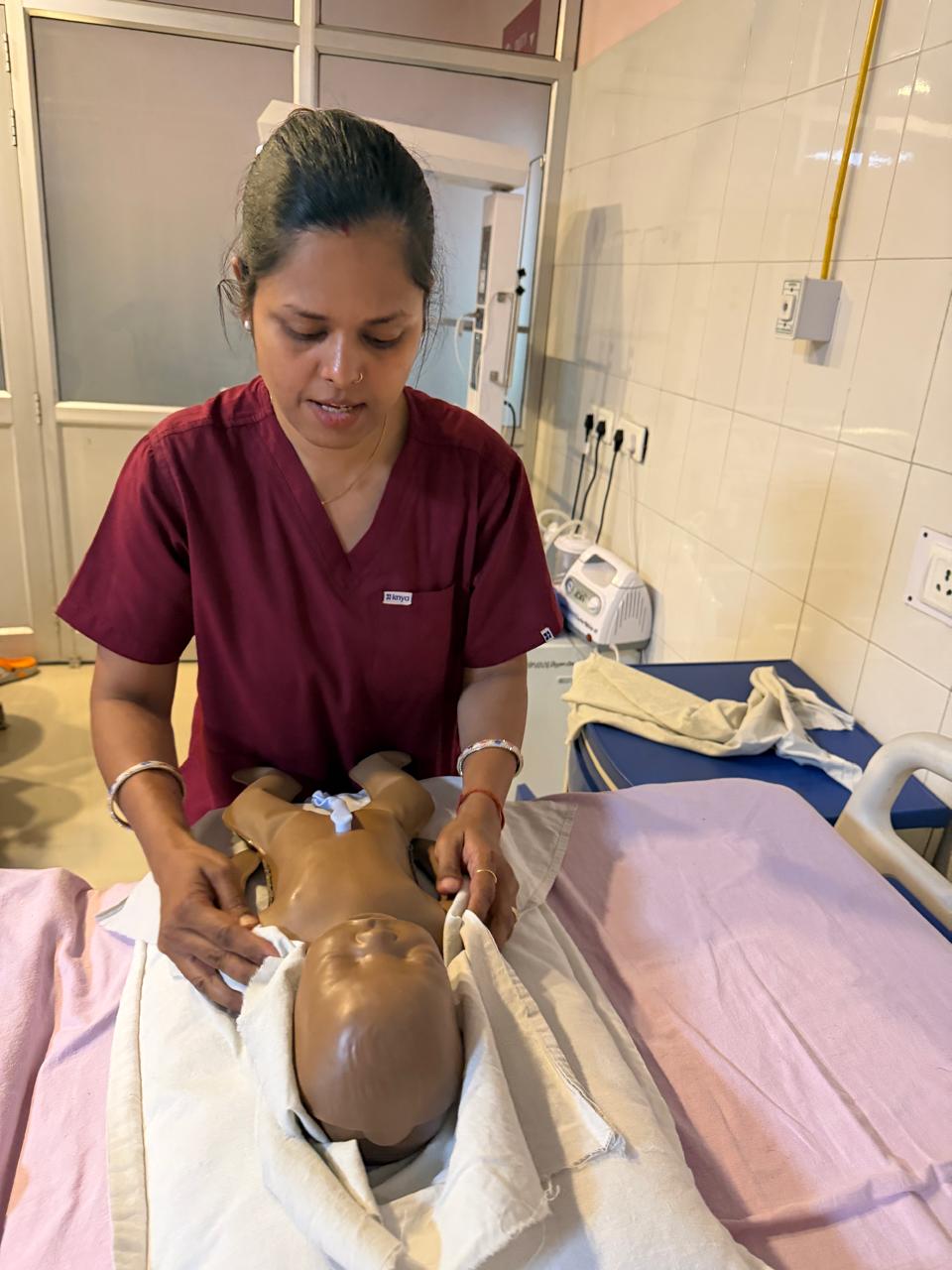
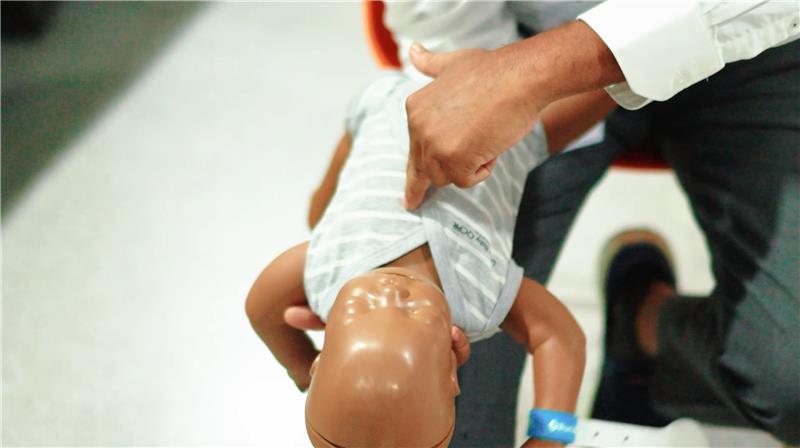
We aim to address the critical healthcare challenges in India by strengthening healthcare education and services through simulation as a modality for teaching, learning and quality improvement. With partners, through partnership-projects, we work to equip more healthcare workers with the tools, competence and confidence to provide high-quality, life-saving care. 

The impact

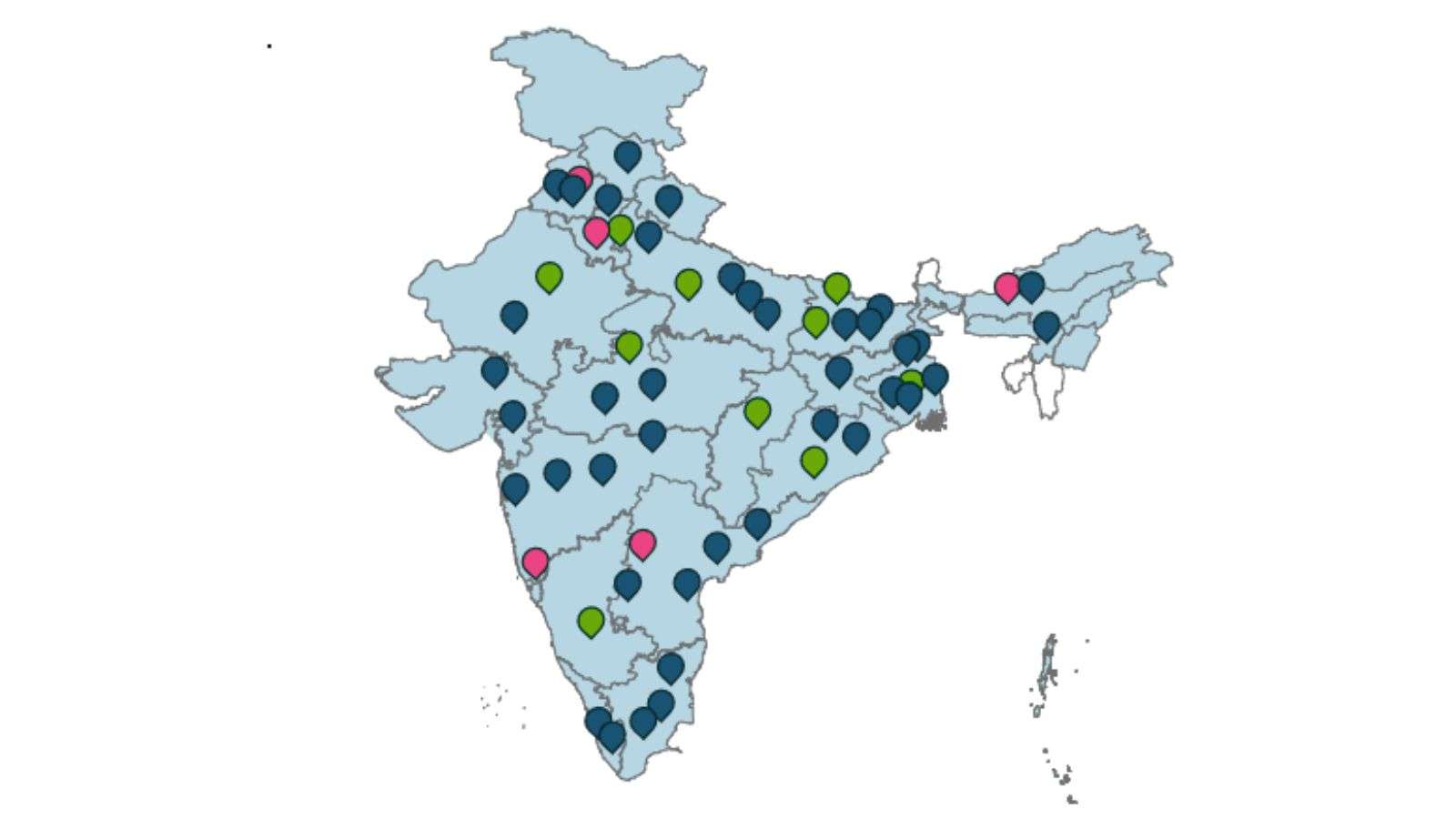
Our work spans the length and breadth of India, a country with around 1.48billion people, and considering the issues that face the healthcare system, that means our potential for helping save lives is vast. We focus on making tangible, lasting impact on communities by working strategically with partners, which has allowed us to reach over 300,000 healthcare workers to date. 
How we collaborate

  • Advocate for and support adoption of competency-based education tools and hands-on simulation training to strengthen midwifery teaching skills.
  • Introduce digital learning innovations that help Nurse Practioners in Midwifery Education (NPME) teach, mentor, and assess student midwives with confidence.
  • Support development of sustainable, practice‑driven education model through modern methodologies and ongoing mentorship for educators.

Goals

  • Build the capacity of NPMEs to deliver competency-based education using simulation methodologies, ensuring they can effectively teach, mentor, and assess students.
  • Enhance the skill proficiency of Nurse Practitioners in Midwifery (NPMs) through structured simulation-based learning, enabling them to provide safe, evidence-based, and empathetic care to mothers and newborns.
  • Promote the use of digital resources and tools for teaching, learning, and assessment in midwifery education 

Partners

  • Jhpiego
  • Gates Foundation

How we collaborate

  • Work with national and international institutional partners to strengthen and integrate emergency and trauma care, with a shared vision of a world-class, quality-driven acute care delivery system.
  • Support scale-up BEC course in India in accordance with the national priorities, by advocating for the hybrid training program.
  • Advocate for, and support institutions, to run post-course regular, hands-on refresher trainings to sustain improved clinical skill.

Goals

  • Support the development and expansion of Acute Care Action Network in India.
  • Help train at least 10,000 providers in Basic Emergency Care Course by 2030.

Partners

Key alliance forces of the WECAN Network.

How we collaborate

  • Providing high-quality, culturally adaptable, innovative and affordable training simulators and digital solutions to support quality hands-on training and clinical tools to strengthen high-quality of maternal and newborn services.
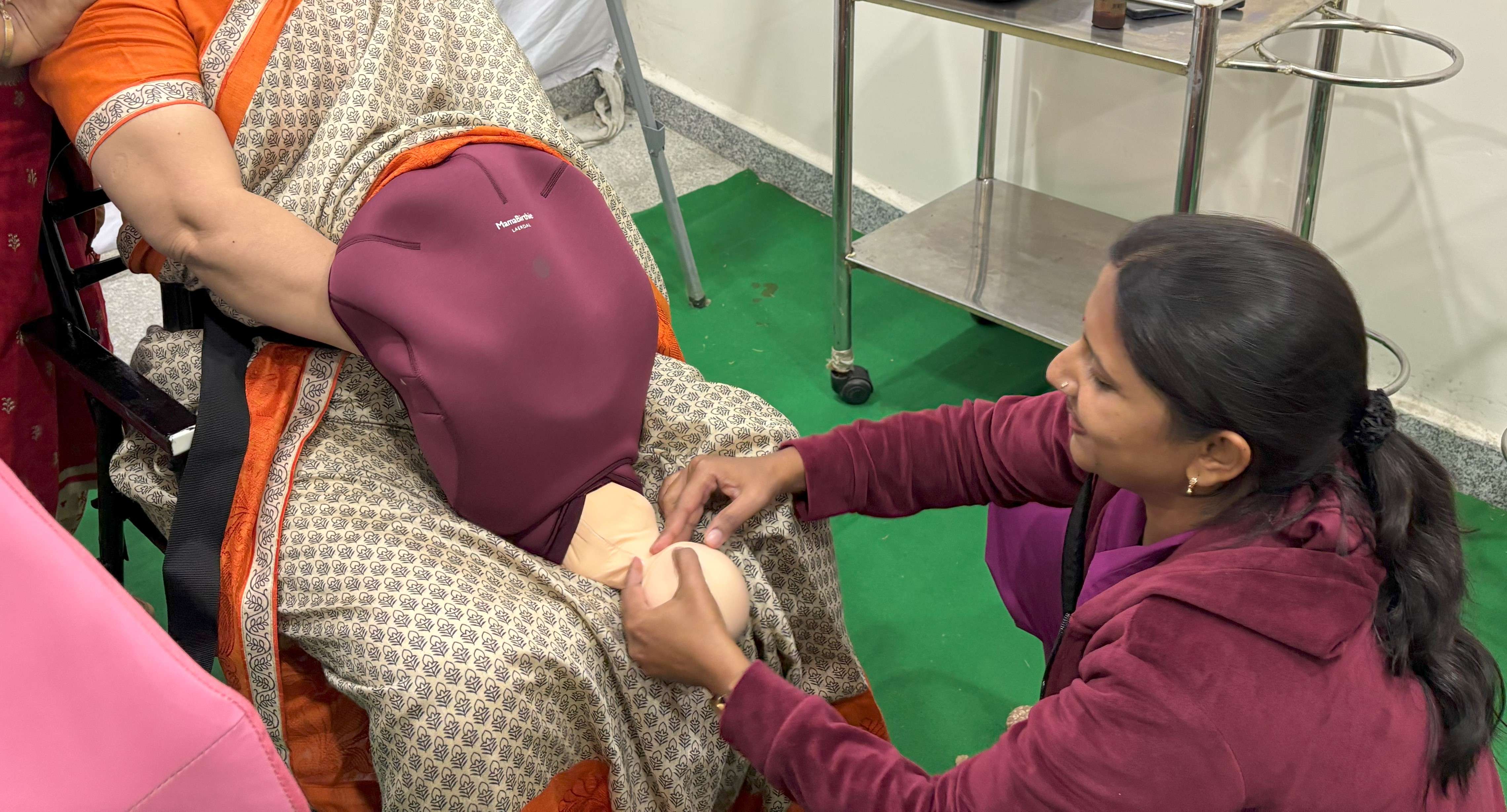
  • Supporting and facilitating simulation-based trainings for healthcare workers, ensuring strong theoretical and practical knowledge of Essential Newborn Care, Helping Mothers Survive and SimBegin courses.

Goals

  • To help train and equip 10,000 healthcare providers in maternal newborn care.
  • To help India meet SDG targets for maternal and newborn mortality. 

Partners

UNFPA India, All India Institute of Medical Sciences, Jodhpur, Indian Institute of Health & Family Welfare, Kolkata, Abbott Healthcare.

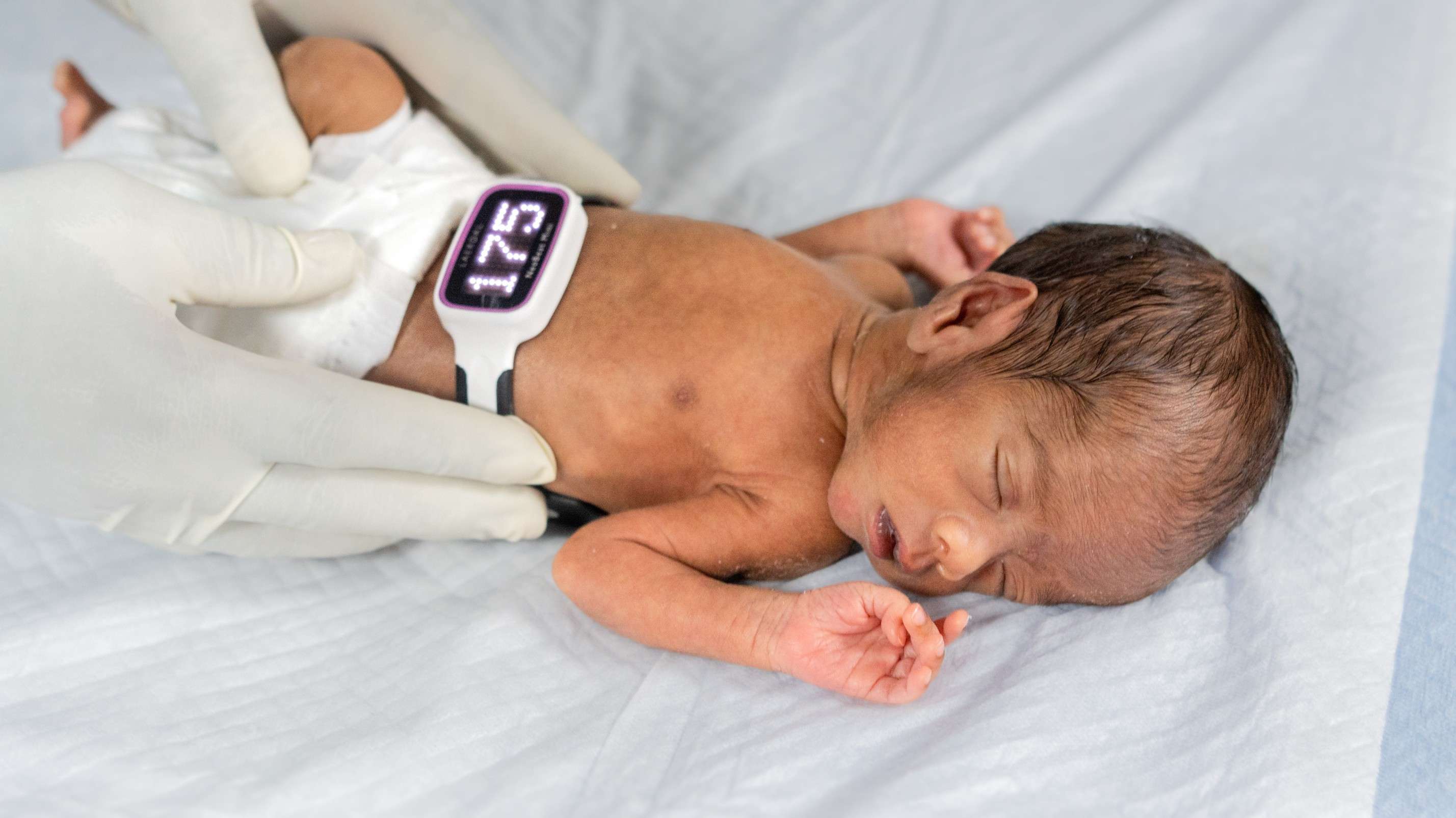
NeoBeat receives medical device regulation approval in India

The NeoBeat Heart Rate Monitor has received medical device regulation (MDR) approval from the Indian Central Drugs Standard Control Organization (CDSCO) and is now available for sale.

Read more

Teaming up with UNFPA for training alternative birthing positions in India

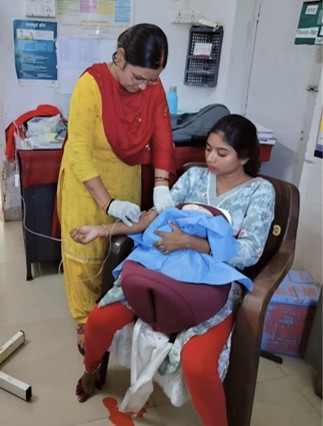
While traditional birthing positions are in widespread use, the benefits of giving birth in alternative birthing positions include improving maternal outcomes, reducing morbidity, and promoting respectful care.

Read more

Partner Q&A: Dr Shailesh Shetty Shibaroor

Explore the value of simulation training from an Indian perspective with Emergency Medicine expert, Dr Shailesh Shetty, including his helpful tips for conducting effective debriefing for better learning outcomes.

Read more

Connect with us

Meet our India team

Rashmi Aradhya

Director of Impact & Healthcare Education, India

Mitali Das

Program Associate, India

Keerthana PG  Product Implementation Specialist, India

Keerthana PG

Implementation Specialist, India

Rinkal Pandey

Implementation Specialist, India 

Shreyasee Dey  Consultant Implementation Officer, India

Shreyasee Dey

Consultant, India

Padma Basodiya

Consultant, India