Partner Q&A: How simple feeding tools support safe surgery
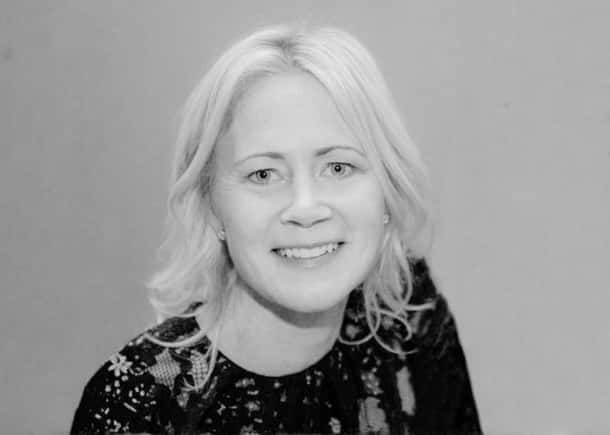
About Kristie Magee Porcaro
Kristie Magee Porcaro is the Chief Strategy Officer at Operation Smile, where she leads global strategy, marketing and communications, development, and global partnerships. She oversees the development of multi-year business plans and funding strategies and helps shape the organization’s strategic direction. Porcaro and her team cultivate partnerships and corporate social responsibility opportunities, connecting donors to programs that advance Operation Smile’s mission worldwide.
Background
Operation Smile is a global nonprofit committed to closing the gap in access to surgical care, starting with cleft surgery and comprehensive care. Locally led and globally supported, Operation Smile operates in more than 37 countries, expanding access to comprehensive cleft care while strengthening local health systems. Through global training, education initiatives, and partnerships, the organization continues to expand access, build local capacity, and create lasting impact, ensuring no child is left behind.
Every three minutes, a child is born with a cleft condition, and for newborns, feeding, growth, and healthy development can be challenging, especially in low-resource settings. For babies born with a cleft condition, feeding is difficult because they can’t create the suction needed to feed well. They may tire quickly, take a long time to eat, and milk can come through the nose, which is stressful for families. Before surgery, parents need practical guidance so their child can grow and stay healthy. In many low-resource settings, that support is limited. trained providers, and specialized tools are scarce.
That’s why Operation Smile includes nutrition as part of comprehensive care, working with caregivers and local health providers to share practical, locally appropriate solutions so babies and children can grow strong enough for surgery and families feel confident from the start.
Malnutrition affects both a child’s development and, importantly, the timing of their surgery. When babies with cleft conditions aren’t able to feed effectively, they may not gain weight or build the strength needed for anesthesia and recovery, so surgery has to wait until they’re healthy and it can be safe.
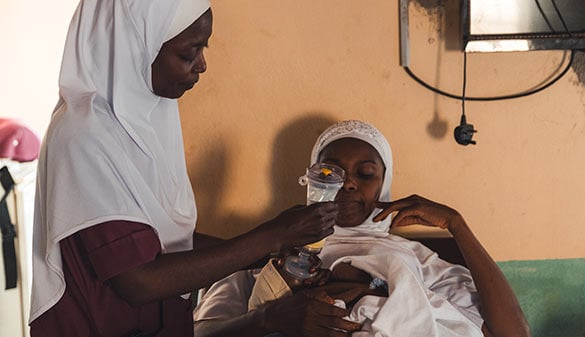
The Nifty Feeding Cup provides a safe, simple, and effective way to feed when breastfeeding isn’t possible. Its small, controlled reservoir allows infants to lap milk at their own pace, reducing stress and supporting better nutrition.
In low-resource settings, the cup is easy to use, affordable, and simple to clean, unlike bottles that require strict sterilization. The cup supports consistent feeding education and can be easily integrated into community-based care. Through Operation Smile, Nifty Cups are distributed alongside practical tips on feeding, training for milk expression, and hygiene practices, helping babies grow strong and ensuring infants are ready for surgery.
One story is a newborn with a cleft condition from Madagascar whose mother passed away during childbirth. The father came to us desperate for guidance, and with the support of the Nifty Cup and our team, he was able to safely feed his baby.
Across our global programs, volunteers, pediatricians, and nutritionists consistently share that the Nifty Cup is a valuable tool for meeting infants’ nutritional needs, administering vitamins or medications, and supporting feeding during post-surgery recovery. These stories guide our work.
Over several years of using the Nifty Feeding Cup across Operation Smile programs, we’ve seen meaningful impact for patients and programs. Its simplicity allows caregivers, healthcare providers, and community health workers to learn to use it safely in just a few minutes, supporting continuity of care and reducing repeated clinic visits. It enables babies to receive expressed breastmilk safely, supporting growth and development when direct breastfeeding isn’t possible, and reducing reliance on formula.
From a program perspective, the Nifty Cup is scalable and sustainable, strengthens early nutrition support, builds caregiver confidence, and helps children reach surgery in the best possible health. By working with local hospitals, community health programs, and referral networks, feeding support can begin immediately after birth, helping babies grow strong and preparing them for safe surgery.
We believe safe, essential surgery is a human right — yet 5 billion people still lack access due to distance, limited infrastructure, and shortages of trained providers.
To help close this gap, we launched Operation 100 — our blueprint for change to bring surgical care closer to home. We will start by equipping 100 surgical teams with the skills, tools, and infrastructure they need to deliver sustainable, high-quality care independently for their communities. By focusing on strengthening the entire operative team, the anesthesiologist, surgeon, perioperative nurses, pediatrician, and biomedical technician, training and medical education become a powerful force multiplier, expanding local capacity and sustainably increasing access to care.
Operation 100 is just the start. Partnerships are central to this work. By collaborating with ministries of health, medical leaders, universities, NGOs, and corporate partners at local, regional, and global levels, we strengthen local health systems. Safe surgery is the goal, but the impact goes far beyond the operating room. Together, we are building hope and creating lasting change for patients, families, providers, and communities.
Our vision is that every baby born with a cleft condition has timely access to skilled healthcare providers from the start of life, with early detection, strong prenatal and postnatal support, and caregivers who are informed and equipped to feed and care for their infants safely.
Equally important is access to the full continuum of care: feeding tools and training support followed by safe, high-quality surgical care. By strengthening local health systems, training providers, supporting caregivers, and partnering with hospitals, governments, and community organizations, we can bring care closer to home, close gaps in access, and create lasting impact.