Newsletter Volume 7: April 2026
Progress, partnerships, and proven solutions
Progress, partnerships, and proven solutions
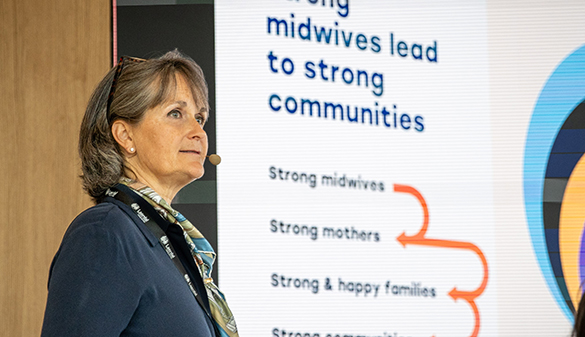
Earlier this month, I participated in the International Maternal Newborn Health Conference (IMNHC 2026) in Nairobi, Kenya. Our Laerdal Global Health team met with policymakers, researchers, and advocates to work toward solutions for improving outcomes for mothers and newborns.
The conference reaffirmed what we believe is essential for lasting change: strengthening health systems, scaling proven solutions, and championing high-quality care.
At Laerdal Global Health, we remain committed to ensuring every birth is safe and every mother and newborn not only survives, but thrives. IMNHC 2026 reminded us that this mission can only be achieved together.
Warm regards,
Karoline Linde, CEO, Laerdal Global Health
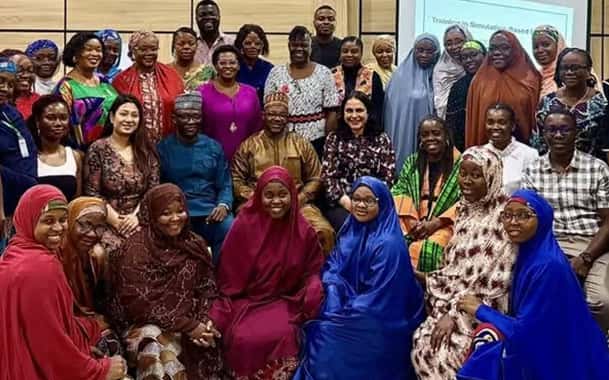
Strengthening health systems is essential to ensuring quality care at birth and reducing preventable maternal and newborn deaths. At Laerdal Global Health, we partner with governments to build resilient systems by integrating simulation-based training, continuous quality improvement, and effective data use into national maternal and newborn health strategies. By advocating for the institutionalization of these approaches within national healthcare plans, we aim to support sustainable improvements and ensure healthcare workers are empowered to provide the high-quality care when it matters most.
Learn more about how LGH has been working in collaboration with partners, to build national simulation faculty in Nigeria, to support long-term, sustainable impact.
Laeral Global Health have launched LGH Insights – a new insights series covering the key issues shaping maternal and newborn health in low-resource settings.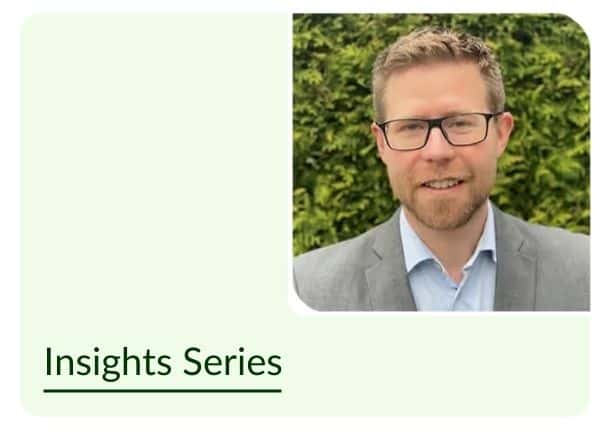 Eivind Fjeldstad
LGH Director of Advocacy & Program Development
“Health system strengthening requires making the horizontal, primary care approach work for the thousands of health workers who are saving lives every day. At Laerdal Global Health, we will walk alongside countries and support a healthier continent, on its own terms.”
Read the first in our LGH Insights series, from Director of Advocacy, Eivind Fjeldstad as he reflects on the 5-day African Union Summit, in Addis Ababa.
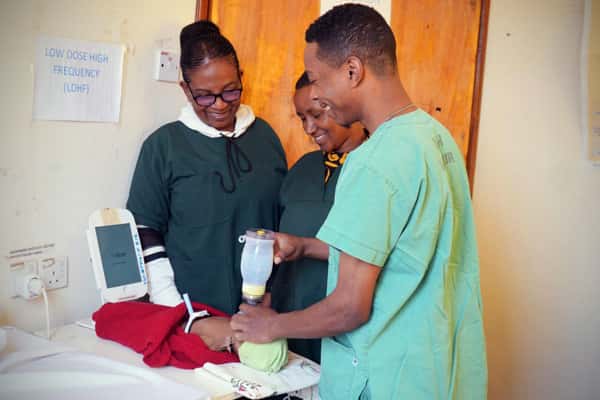
The Safer Births Bundle of Care is at the heart of our efforts to reduce preventable maternal and newborn deaths. Built on more than a decade of research and implementation evidence, the bundle brings together practical, high impact tools and training methods designed to strengthen clinical care during labor and birth. Its proven effectiveness has demonstrated remarkable results, including a 40% reduction in newborn deaths and a 75% reduction in maternal deaths in Tanzania.
The Safer Births Approach: Scaling What Works
To ensure these lifesaving results can be achieved and sustained at scale, the Safer Births Approach is key and can be summarized as including:
The Safer Births Approach offers a powerful, evidence-based pathway to improving quality of care at birth, and can be applied to other contexts, such as in improving care for those experiencing time-critical emergencies.
The success of the Safer Births Bundle of Care program has not gone unnoticed. Already, Nigeria is actively implementing the program in Borno and Gombe states, with impressive early results. New agreements with UNICEF and CHAI will further expand implementation to Kwara, Sokoto, Adamawa, Ogun, Ondo, Enugu and the Federal Capital Territory (Abuja) through 2026.
The implementations of Safer Births Bundle of Care are already saving lives. Lives like Baby Mary. 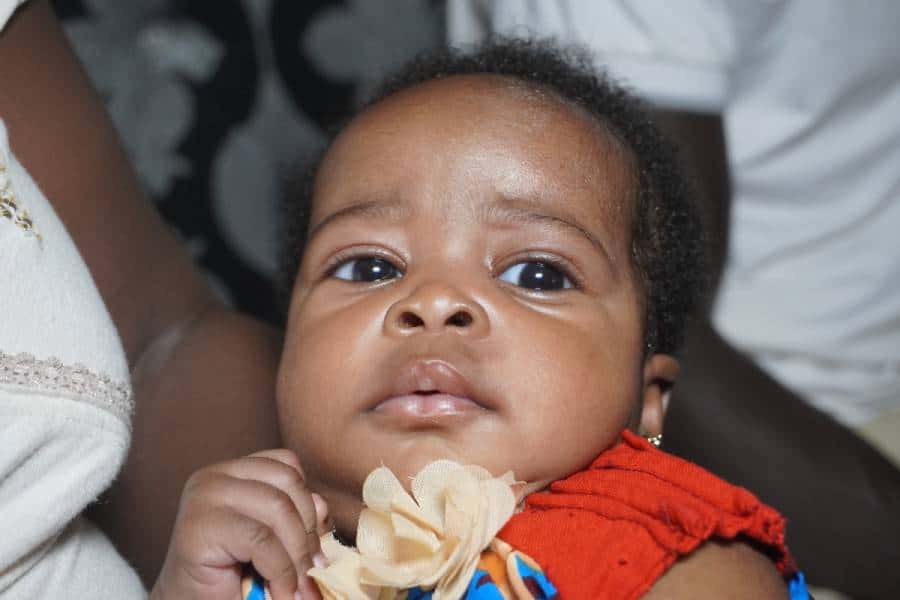
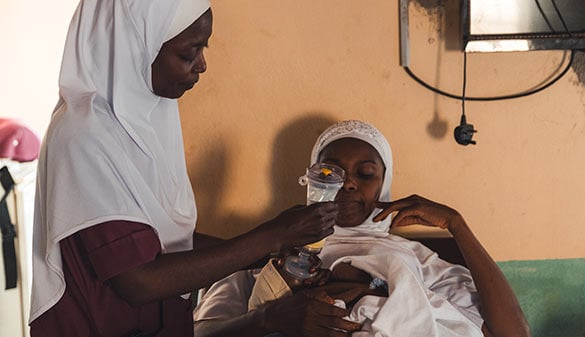
When Sarah arrived at a primary health care centre in Borno State, Nigeria, she did not expect a complicated breech birth - or that her baby would be born not breathing. Midwife Abigail Antony was on duty and acted immediately. Baby Mary showed no signs of breathing, her skin turning blue, with no obvious heartbeat. Drawing on her Safer Births Bundle of Care training, Abigail suctioned the airway, applied the NeoBeat monitor, and began resuscitation using the Upright Bag and Mask. Guided by real-time heart rate feedback, she continued until Mary stabilized. Abigail is one of more than 130 midwives in Borno trained to respond confidently when every second counts.
 Lasting impact requires working together to drive country led, systemwide change. Sustainable progress depends on catalytic partnerships, innovative financing, and strong public–private collaboration.
“Our catalytic grants - small, strategic investments - are designed to unlock much larger funding and help countries invest earlier and at scale in the health of women, children, and adolescents.”
Read our latest Partner Q&A from Head of the Secretariat for the Global Financing Facility, Luc Laviolette as he explains how innovative financing can accelerate global health progress.
LIFT is a suite of digital tools that strengthens healthcare training by improving skills assessment and providing real-time insights for decision-making. Designed for hospitals and training institutions, it enables data-driven training with standardized content, real-time feedback, and functionality designed for low-resource settings with limited connectivity, LIFT enables effective, measurable, and consistent training.