The challenge
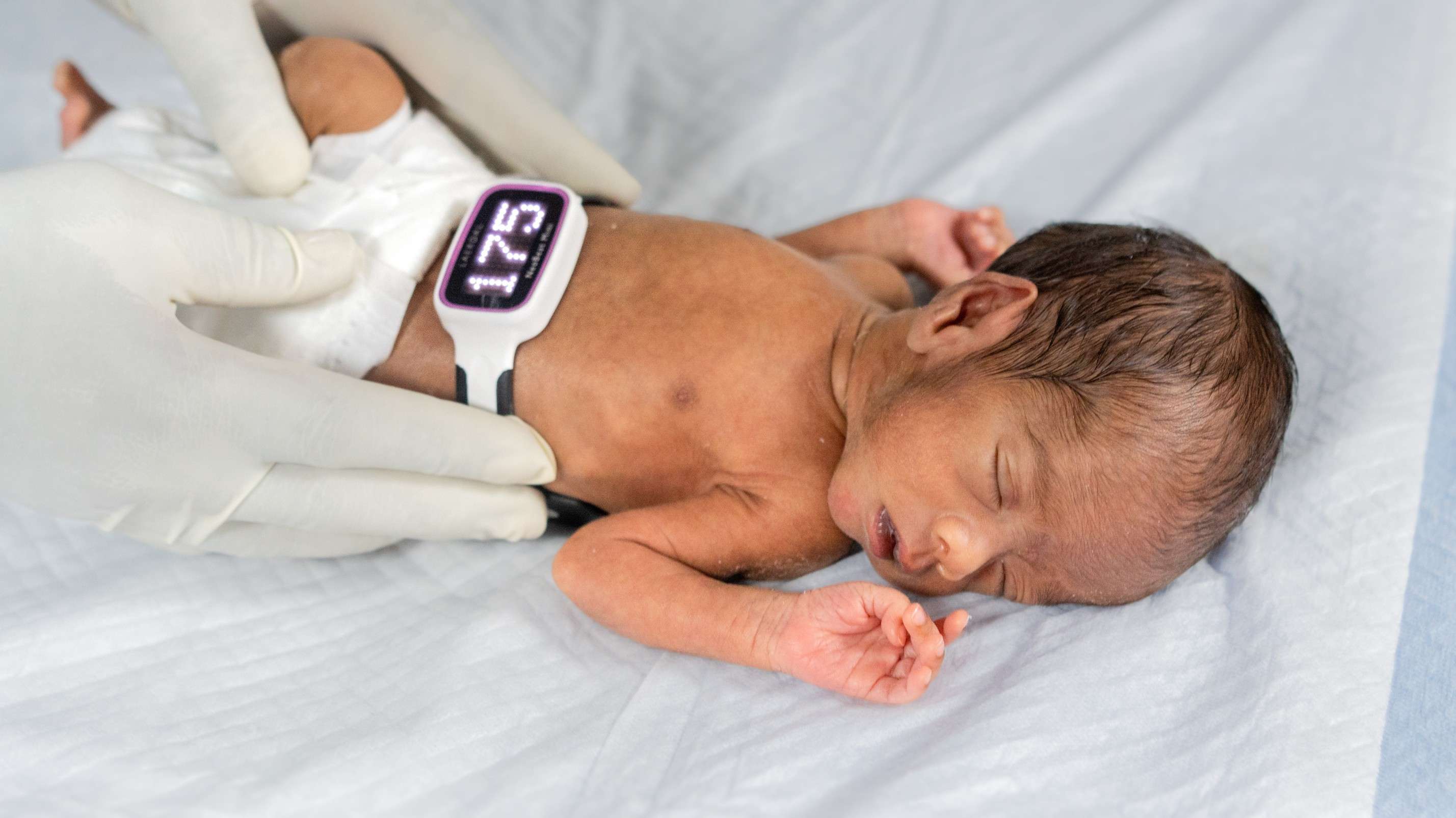
India has made significant progress over past couple of decades in reducing maternal mortality from over 400 deaths per 100,000 live births to just 88. Similarly, newborn mortality has reduced from 51 deaths per 1000 live births to 19, outpacing the global average reductions. These reductions, however, are unevenly distributed and disparities between states and districts remain. The common causes of maternal deaths are hypertensive disorders, hemorrhage and infections. For neonatal deaths, causes include pre-term related complications, low birth weight, neonatal infections, birth asphyxia and trauma. Gaps persist due to issues like inadequate infrastructure equipment and consumables, lack of trained healthcare personnel, and lack of adherence to clinical guidelines.
In addition to maternal and newborn deaths, there are close to 200,000 deaths annually in India due other time-critical emergencies like cardiac arrest, stroke, sepsis, drowning, road traffic accidents and snake bites. A large proportion of these deaths, or subsequent disabilities, are preventable but continue to occur due to fragmented and fragile healthcare systems spanning community, pre-hospital, facility-based, and rehabilitation care. These kinds of emergencies represent a major and growing burden, underscoring the urgent need for system-wide strengthening of emergency and trauma care.
How we help
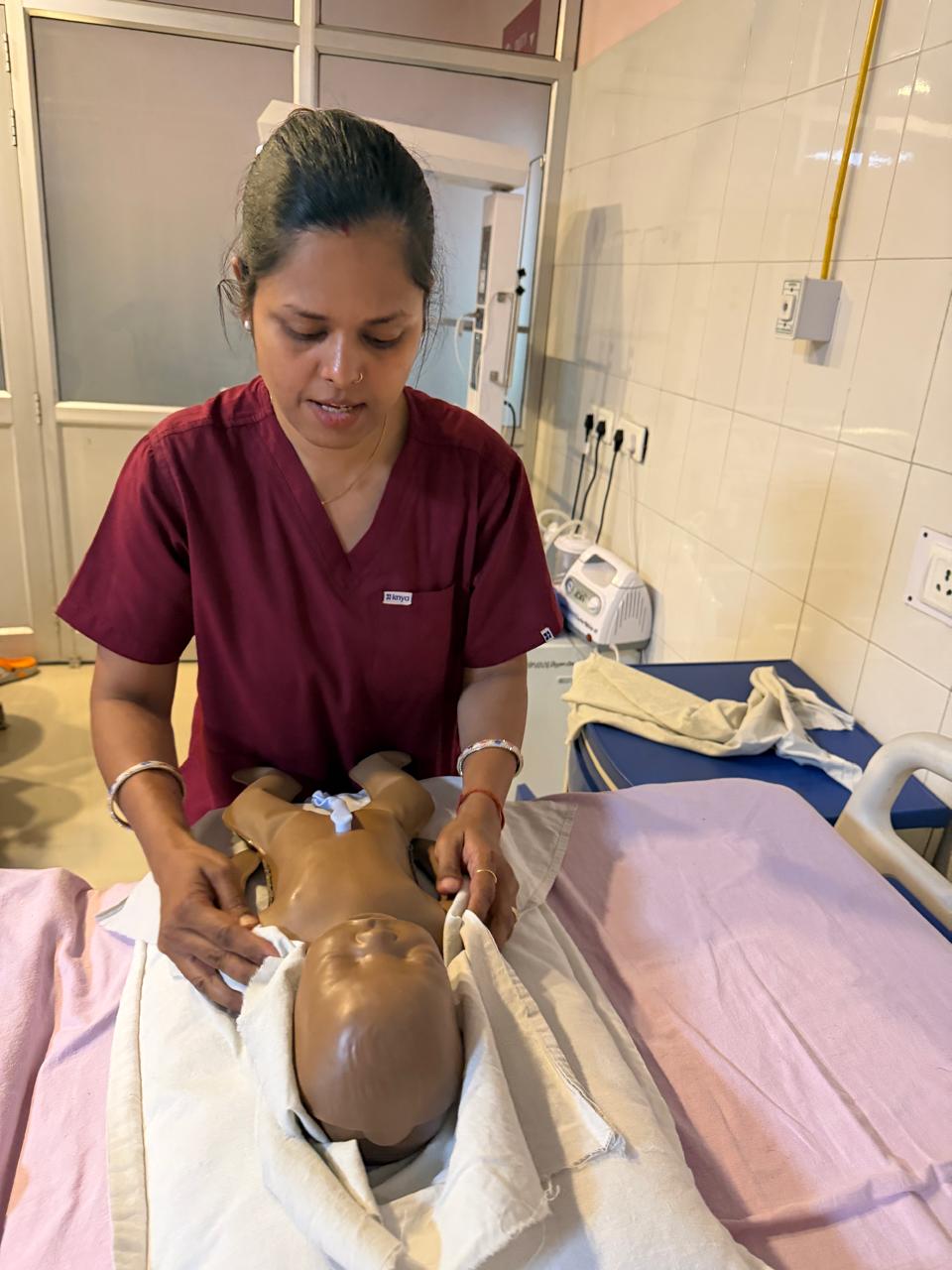
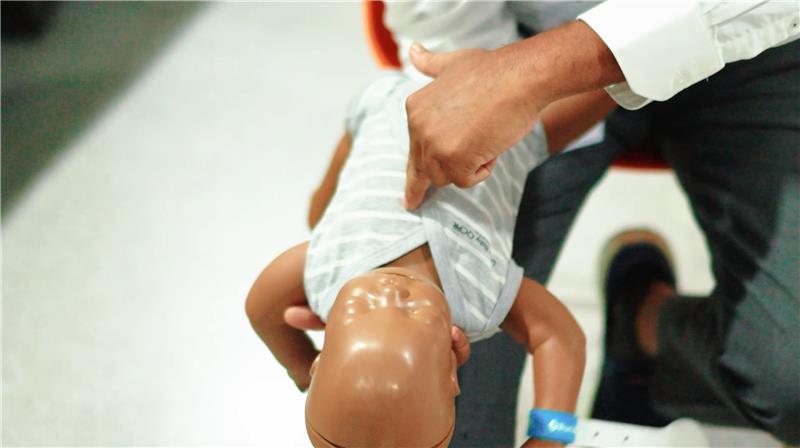
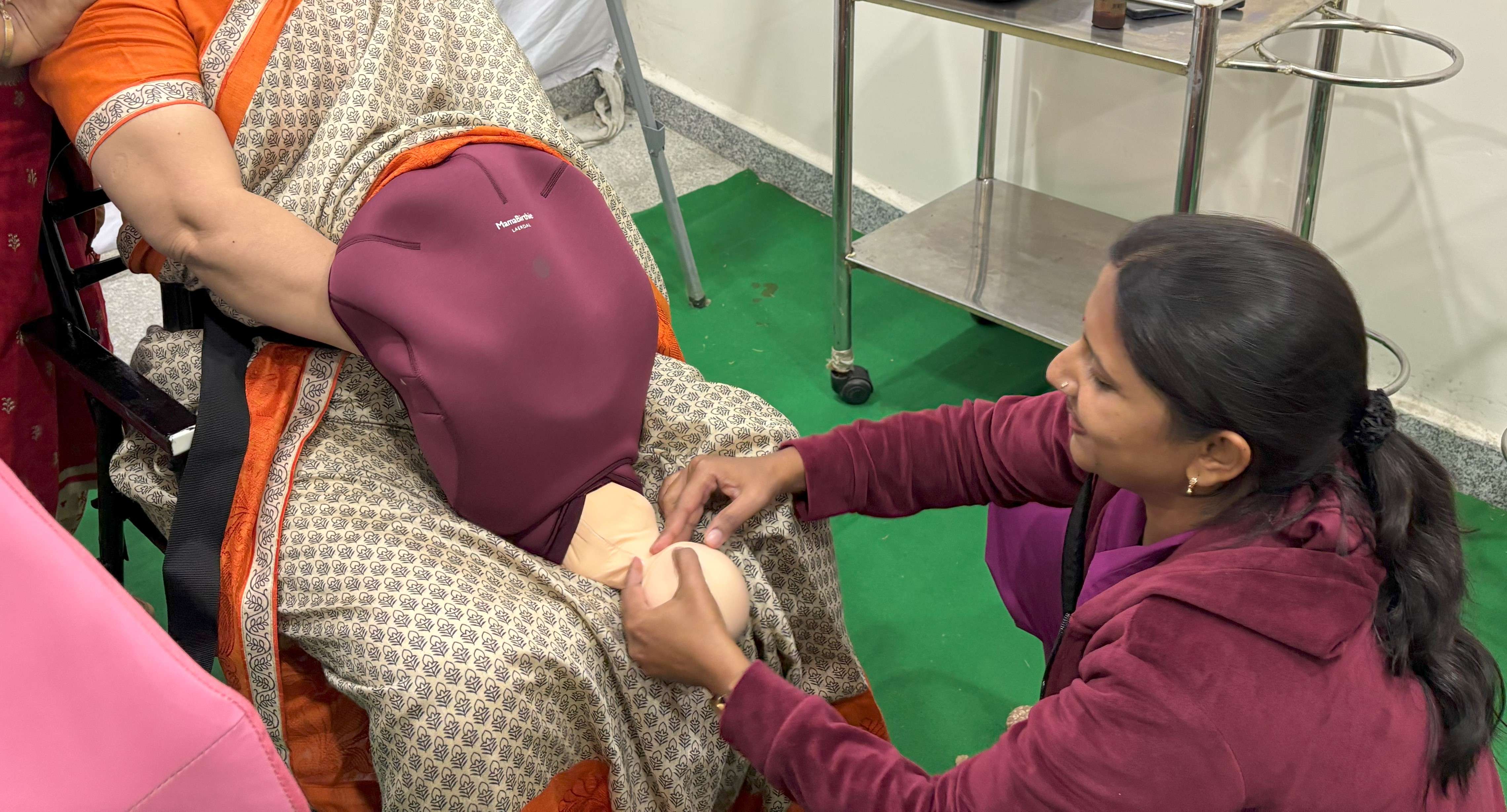
We aim to address the critical healthcare challenges in India by strengthening healthcare education and services through simulation as a modality for teaching, learning and quality improvement. With partners, through partnership-projects, we work to equip more healthcare workers with the tools, competence and confidence to provide high-quality, life-saving care.
The impact
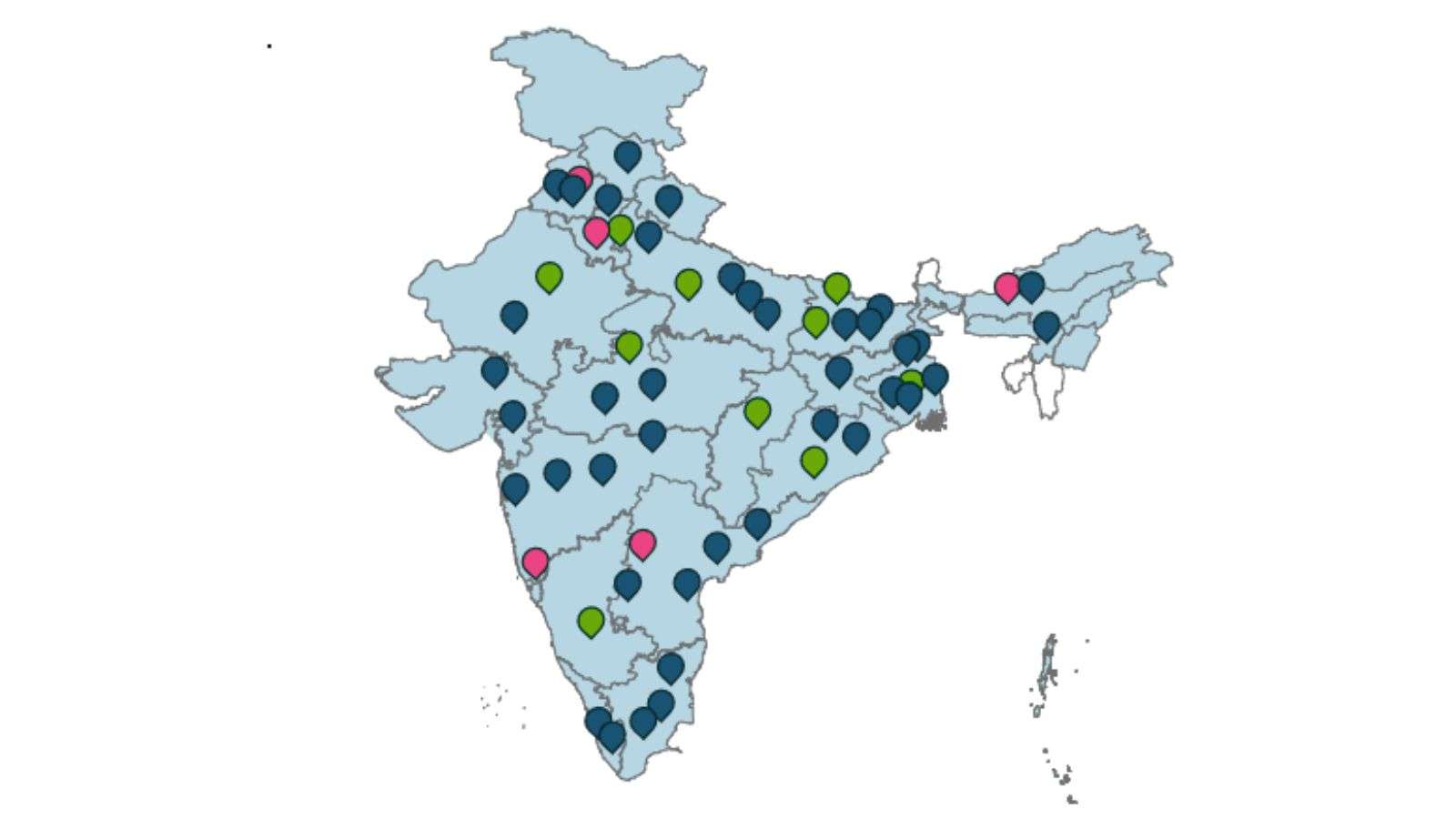
Our work spans the length and breadth of India, a country with around 1.48billion people, and considering the issues that face the healthcare system, that means our potential for helping save lives is vast. We focus on making tangible, lasting impact on communities by working strategically with partners, which has allowed us to reach over 300,000 healthcare workers to date.