BOGO Story: Strengthening Clinical Decision-making in Sierra Leone
Sierra Leone continues to face one of the highest maternal mortality rates in the world, with many deaths caused by preventable complications. These outcomes are driven by persistent systemic challenges, including poor quality of care in health facilities, shortages of skilled health workers and essential supplies, delays in referrals, and barriers to timely access to care, particularly for women in rural communities.
Timely access to safe, necessary cesarean section (CS) is one intervention that can save the lives of both mothers and newborns. With a high stillbirth rate but a low CS rate in Sierra Leone, it is widely acknowledged that there is a high unmet need for cesarean sections. However, many healthcare workers do not have the training to make timely clinical decisions about the need to perform this lifesaving surgery.
As part of an ongoing project led by CapaCare, an international NGO with a focus on medical training and research in underserved and hard-to-reach populations, the aim is to improve maternal health in Sierra Leone by ensuring that quality, timely obstetric care is accessible to all.
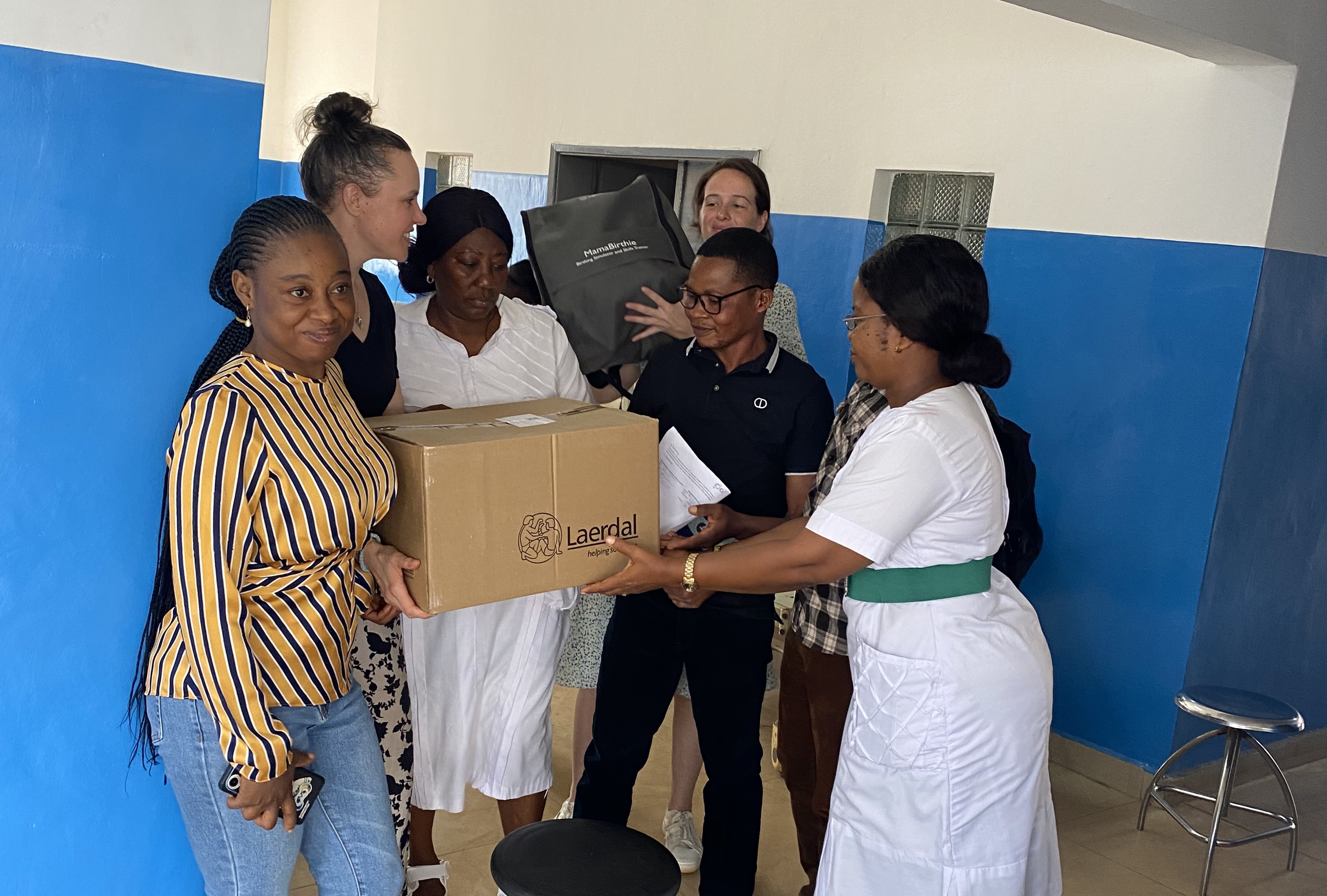
Through Laerdal’s Buy One, Gift One (BOGO) program and a partner campaign with the World Federation of Anaesthesiologists (WFSA), 350 MamaBirthie CS simulators have been donated to projects in low- and middle-income countries where the simulators could make a catalytic impact.
The CapaCare project in Sierra Leone was selected as one of these projects, receiving eight simulators, which have already supported the training of more than 100 healthcare workers across various disciplines and levels.
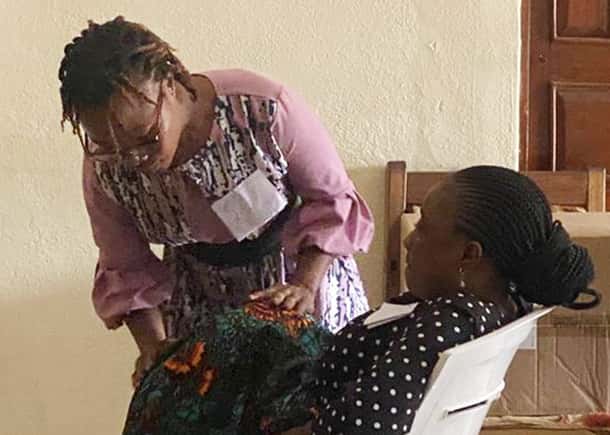
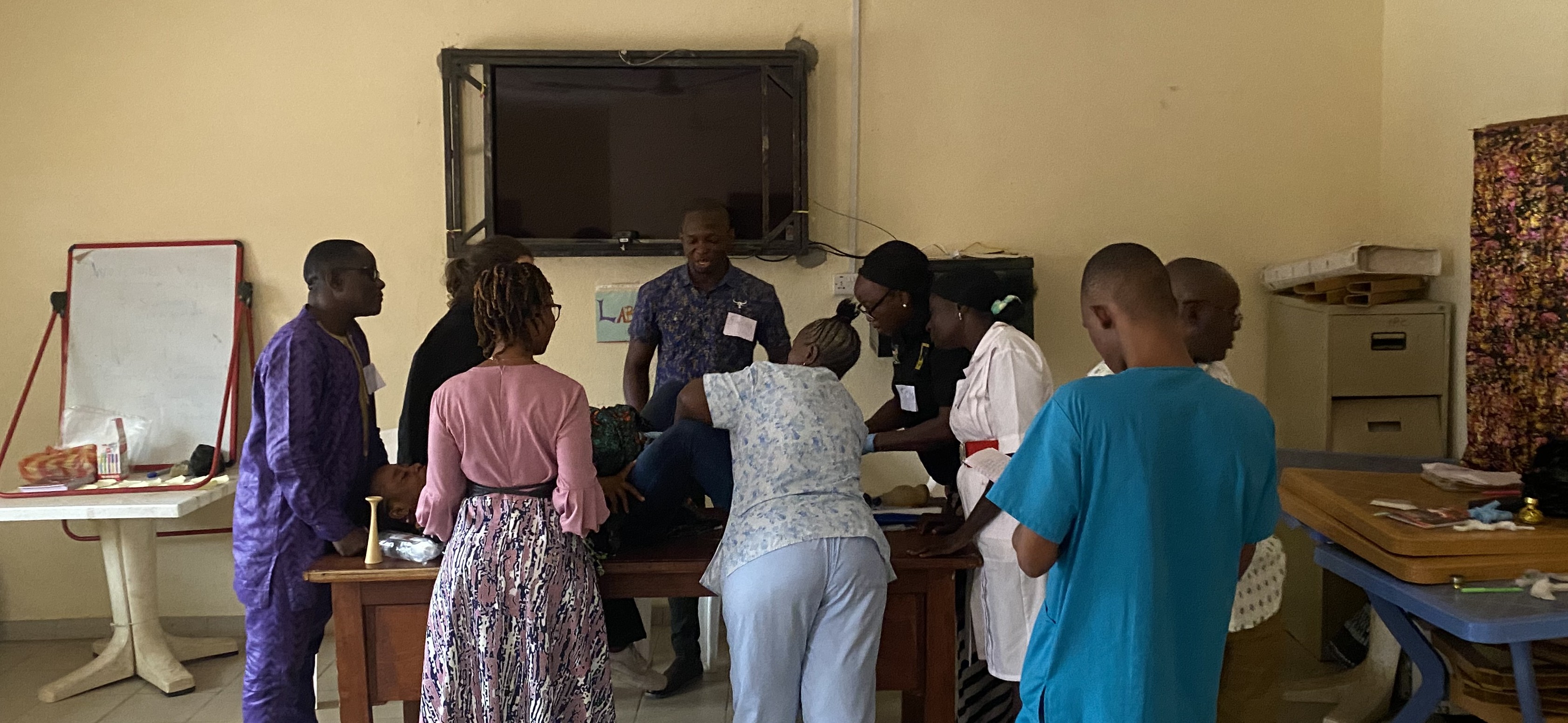
As part of the project, a group of healthcare workers participated in an initial nationwide training on MamaBirthie CS, focusing on improving skills, knowledge, and confidence in managing the leading causes of maternal deaths, including strengthening clinical decision-making for timely obstetric care. Those trained then returned to their hospitals to train other team members through a cascade model. Many respondents to a subsequent survey noted how effective this in-situ, regular refresher training was with their hospital colleagues.
From the combination of positive feedback from healthcare workers on the MamaBirthie CS simulator, the training content, participants' understanding of the training's purpose, and their expressed interest in additional training sessions, it seems clear that the project has so far been a success, and that investing in the continuation of the training is vital for improved patient outcomes.
Through a post-training survey, learners reported that using MamaBirthie CS enhanced training by:
A participating healthcare worker reflects: “Through the trainings we have learned the importance of working as a team in an emergency. We work as a team even to manage decision making – whether it is about the patient being induced or taken to theatre for cesarean section.”
The direct impact on patient outcomes has not yet been evaluated, but there are plans to do so later in 2026.