Newsletter Volume 8: August 2026
Helping contribute to a stronger healthcare workforce is at the heart of what we do. In our latest newsletter, we explore how partners, governments, and health workers are working together to strengthen the workforce from expanding simulation-based training and the Safer Births Bundle of Care to supporting countries in building sustainable programs at scale.
The past few months have reinforced that stronger health systems start with investing in the people who deliver care. Across the countries and partnerships where Laerdal Global Health works, health workers continue to face enormous pressure, while we also see what is possible with the right training, tools, support, and enabling environment.
Strengthening the healthcare workforce will continue to guide our work through the final months of 2026.
Karoline Myklebust Linde,
CEO, Laerdal Global Health
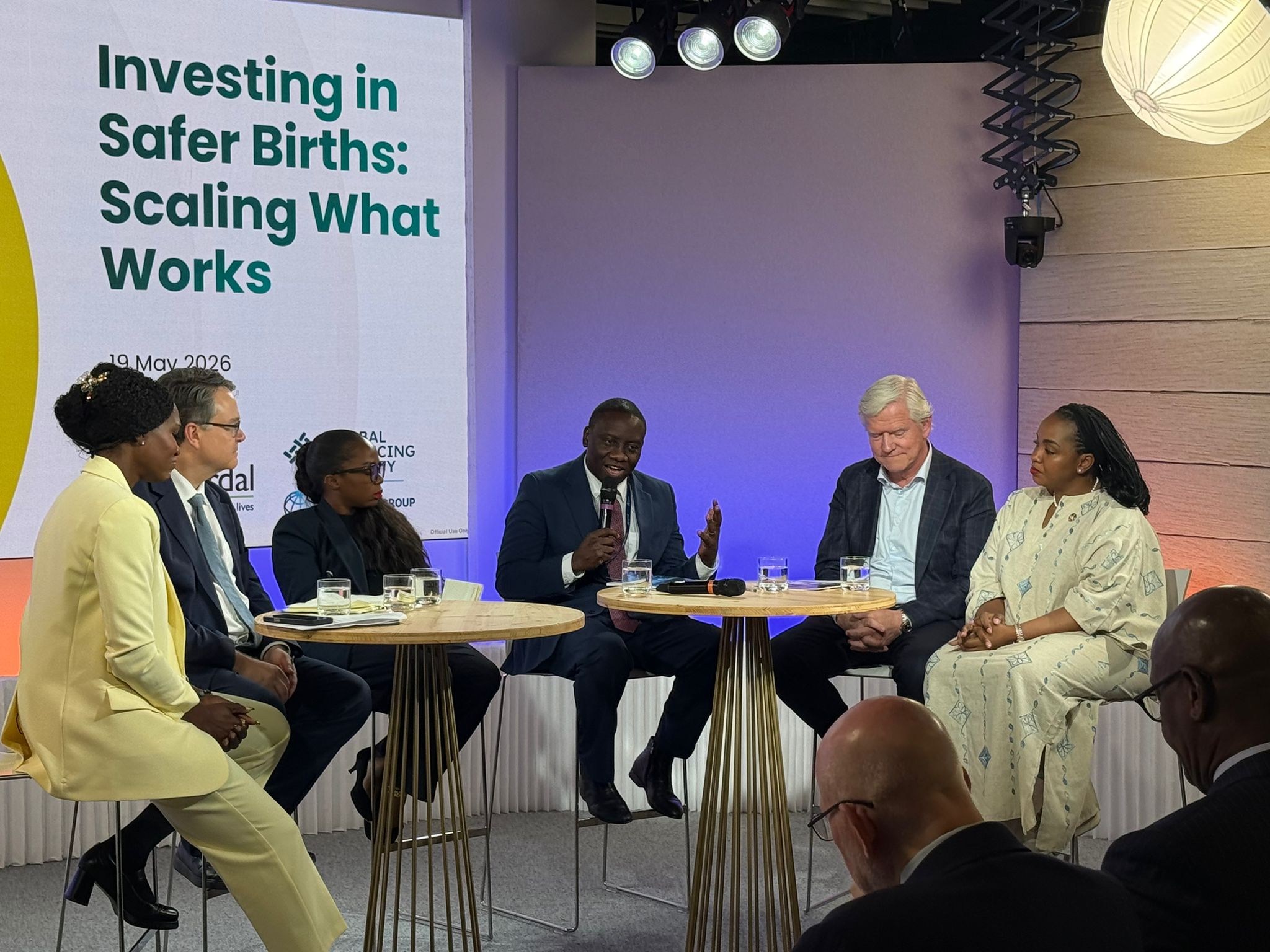
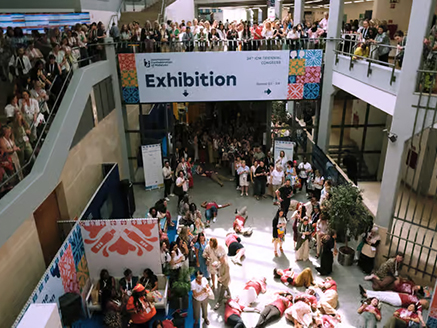
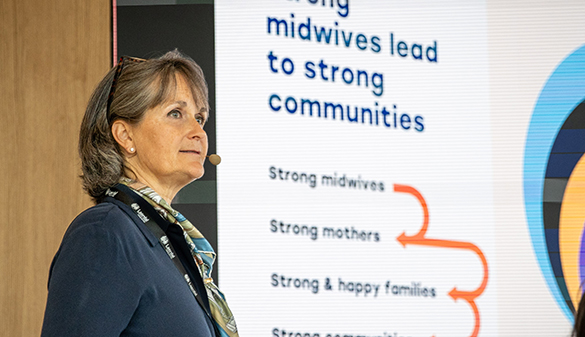
It’s been a busy few months for Laerdal Global Health, with some of the results being shared in this newsletter. We have been connecting with partners, policymakers and healthcare professionals around the world. At the World Health Assembly and ICM Congress, we explored the future of health systems, maternal and newborn health, and the role of simulation and skills-based training.
While these important events were inspiring and productive, we’re most excited about the work happening in the field.
Here’s a glimpse of a few initiatives with our partners we’re proud to share:
The Safer Births Bundle of Care (SBBC) continues to expand, bringing together evidence-based training, simulation, and tools designed to help healthcare workers manage complications during childbirth. The program has expanded additional states in Nigeria, including Borno and Gombe. Clinton Health Access Initiative (CHAI) has expanded SBBC from Gombe into four additional regions, building on previous implementation experience and creating a broader platform for partner-led SBBC scale-up in Nigeria.
The Norwegian Church Aid (NCA) recently published a report outlining the success of the Safer Births Bundle of Care project with important insights into the impact. Borno results show a reported 54% reduction in maternal mortality, with major reductions in fresh stillbirths.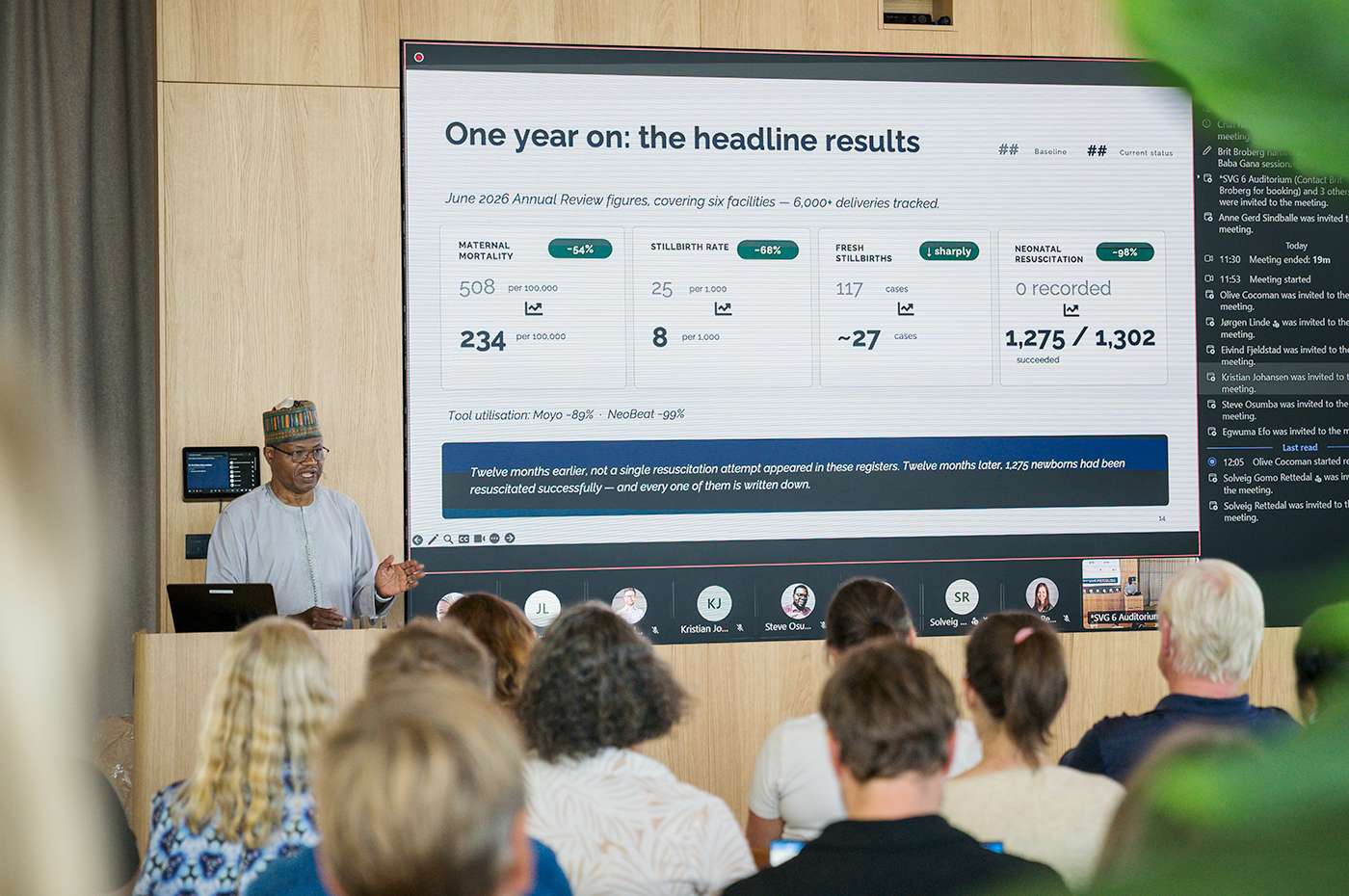
Read the full NCA report
Earlier this month, we were pleased to welcome Borno State Health Commissioner, Prof. Baba Gana, to Laerdal headquarters in Stavanger, Norway, where he shared the story of Borno’s progress in tackling maternal and newborn health emergencies.
Read Prof. Baba Gana shares Borno’s story of progress
The Global Financing Facility (GFF) is supporting further scale-up of the Safer Births Bundle of Care with projects planned across more than 10 countries in Africa starting with Kenya, Malawi, Rwanda, and Senegal. SBBC was spotlighted in the GFF’s strategy report Transforming 2030. Scaling these interventions is not simply about reaching more people; it is about developing approaches that can be integrated into national health systems and sustained over time. A recently published research article substantiates the cost-effectiveness of SBBC, meets the WHO criteria for a cost-effective intervention.
Every year, millions of people die from treatable emergencies because life-threatening conditions are not recognized and managed in time. The WHO and ICRC Basic Emergency Care (BEC) program helps strengthen frontline emergency care capacity and improve patient outcomes.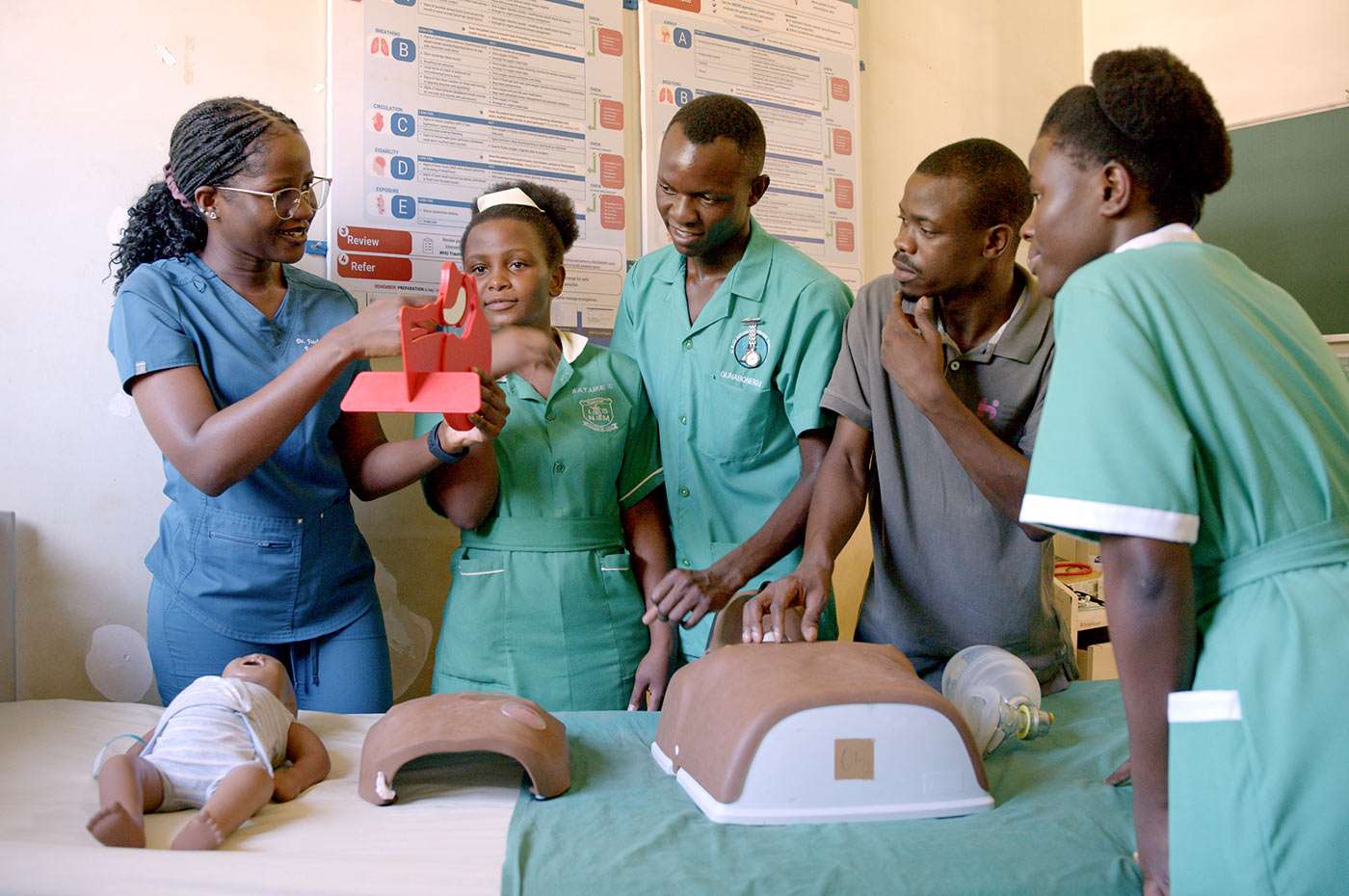
To support scale-up, Laerdal Global Health has committed USD 12.5 million through the WHO Foundation's Lifeline: The Acute Care Action Fund, alongside support from NORAD and the AKO Foundation. Plans are now underway to expand the program to 777 health facilities across Ethiopia, Rwanda, Tanzania, and Uganda, with implementation beginning in Q4 2026.
The scale-up will test a new implementation model combining workplace-based learning and ongoing refresher training, supported by a rigorous research study to evaluate impact, sustainability, and scalability.
Read more: WHO Foundation and Laerdal Global Health announce US $12.5 million to launch massive Acute Care scale up
In a new LGH Insights article, LGH Country Director for Nigeria, Obinna Orjingene, explores why methodology matters when we seek to close the health equity gap, and why how interventions are implemented can be just as important as what we implement.
Read LGH Insights
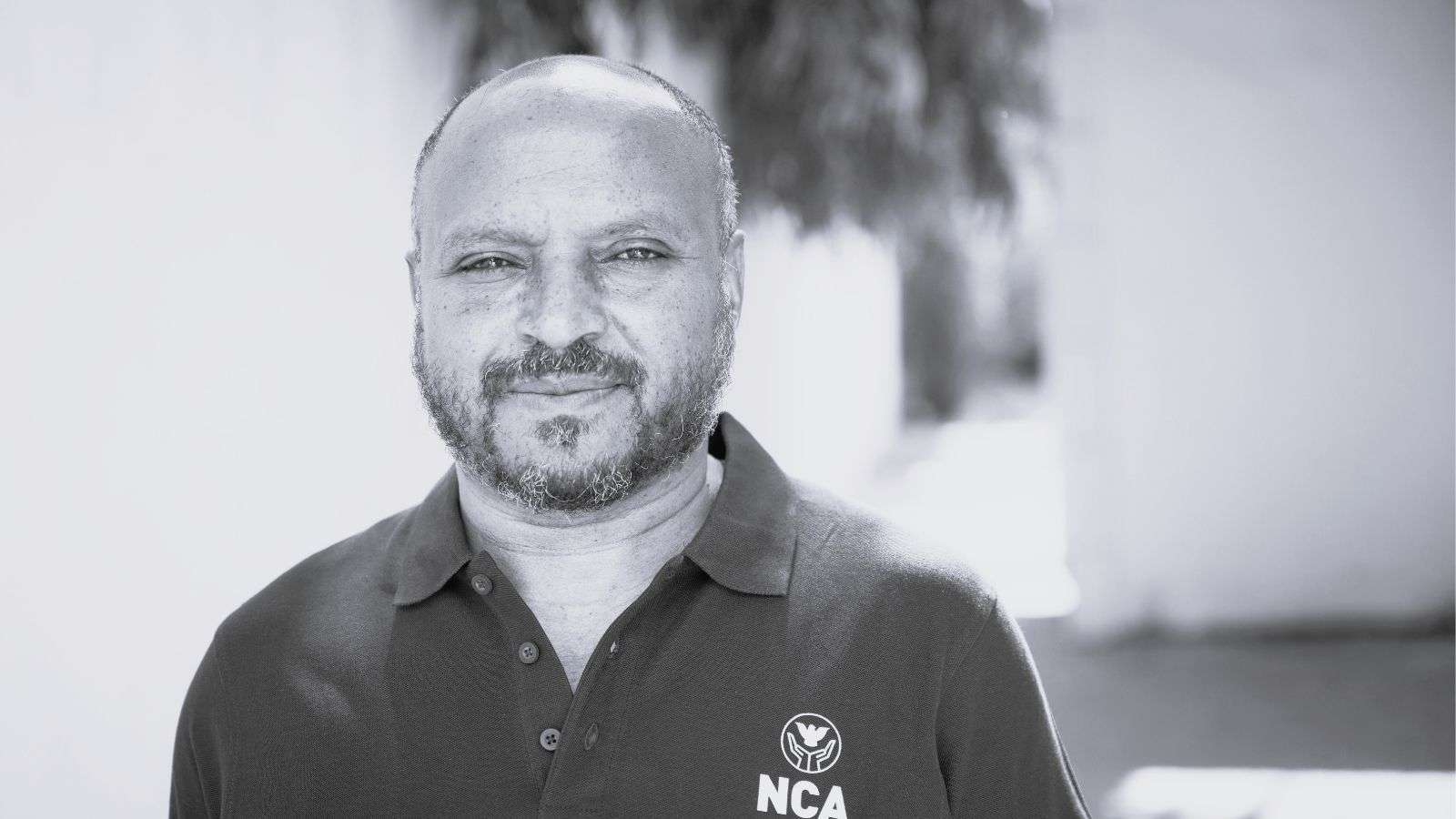
Partnership is at the center of our work. In this edition, we speak with Berhanu Haile, NCA Nigeria Country Director, about the realities of strengthening healthcare delivery in Nigeria, the importance of local leadership, and what it takes to create lasting impact.
Read the latest Partner Q&A
Innovation is an important part of strengthening the healthcare workforce. The updated Moyo fetal heart rate monitor builds 10+ years of data collected on the needs and experiences of healthcare professionals to support more efficient monitoring during labor. 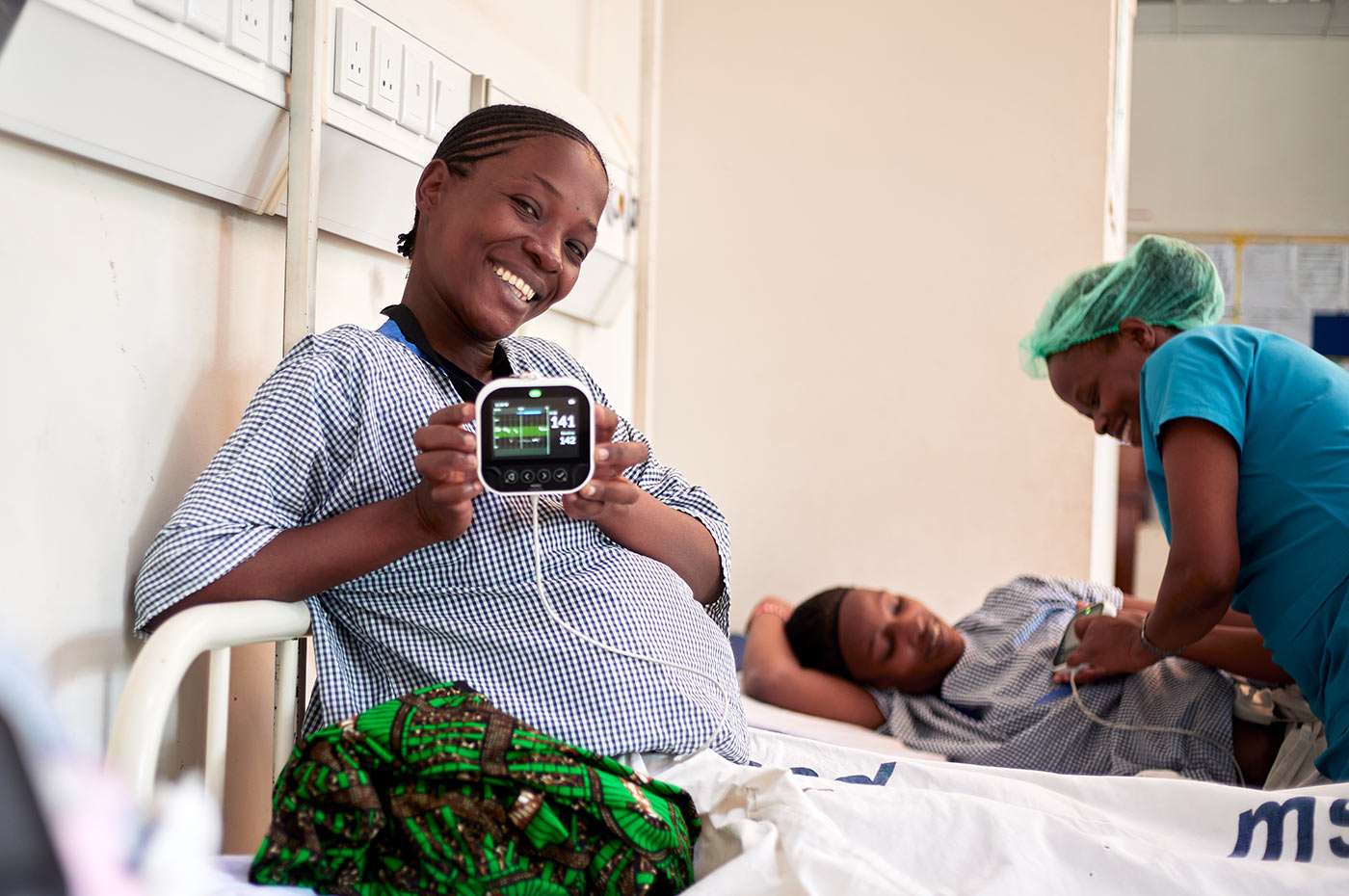
LGH Design Manager Ole Terje Østrem discusses how in-depth collaboration with product users informed the recent update of Moyo in this LGH Innovation Story
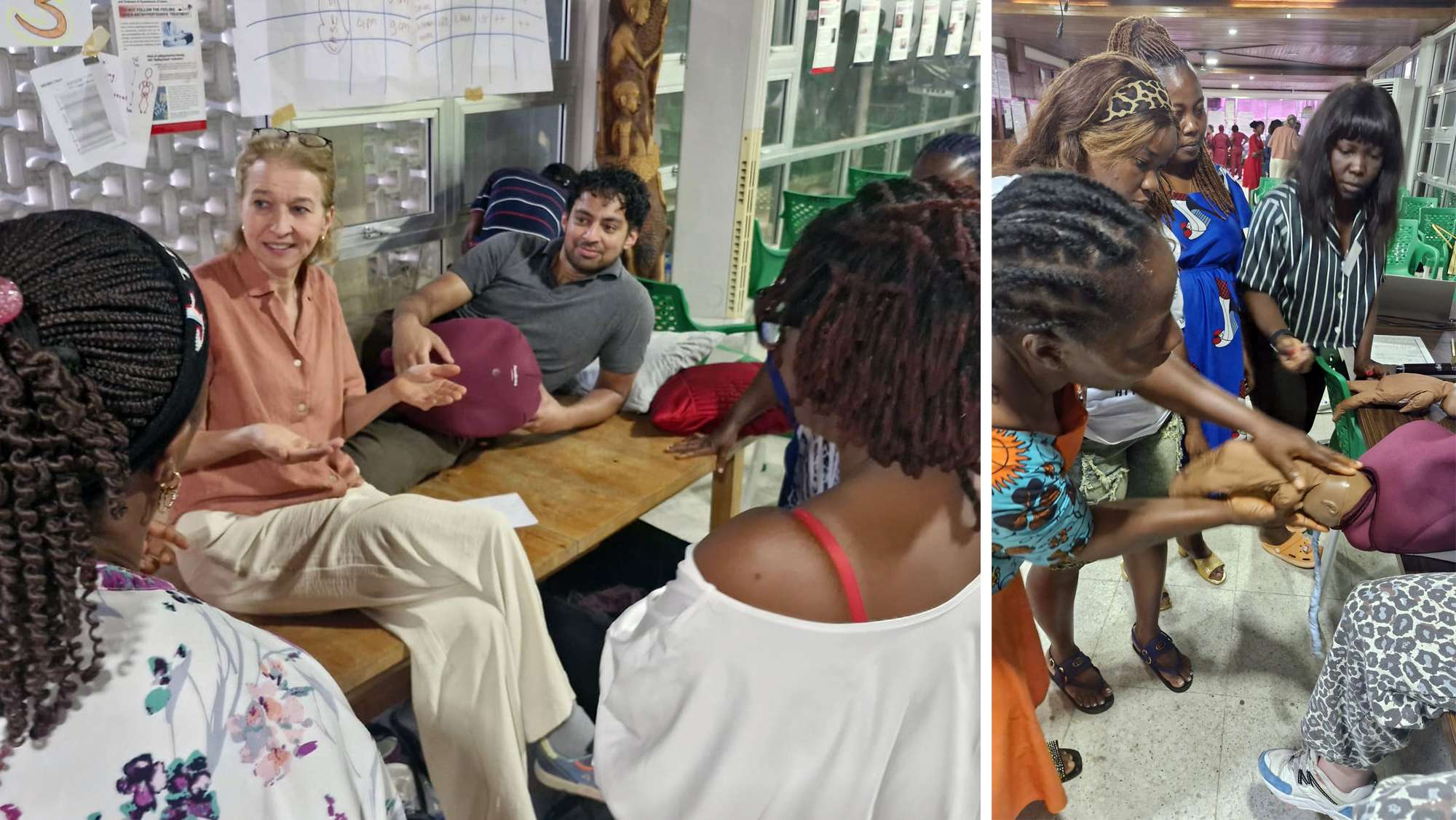
CapaCare Liberia staff run a Postpartum Haemorrhage (PPH) session with Liberian midwives.
As we wrap up a busy few months including participation in the World Health Assembly, ICM Congress, events in Senegal, and Arendalsuka in Norway, we’re looking ahead to what’s next. In September, we’ll be present at the United Nations General Assembly in New York. In October our team will join the World Health Summit in Berlin, ECSACONM in Zanzibar, and the Tanzania Health Summit in Dar es Salaam, followed by the African Conference on Emergency Medicine in Arusha and the Global Financing Facility IG Meeting in Addis Ababa in November.
Visit our LGH Events page to stay up to date and reach out if you’d like to connect at any of these events.